It’s not long now until Miss Caroline Bingley, Private Detective descends upon an unsuspecting world. I’ll post soon about launches and events in April and May (that’s when the book is out in Australia, New Zealand and the UK, although of course you can pre-order now). US readers will have to wait until July (sorry!).
In the meantime, we’ve received some lovely praise for the book. Here’s a sample:
‘Loved this adventure in Austen’s world, with Caroline Bingley taking centre stage and proving what we knew all along; that there was much more to her character than met the eye! Wonderful scene setting and addictively pacey, this book will delight Jane Austen and Agatha Christie fans alike. Queen of the one-line put-downs, Miss Bingley makes the most brilliant sleuth – proving that detective work is right up there with watercolours and dancing as the height of ladylike accomplishments!’ – Fliss Chester, author of the Cressida Fawcett Mysteries
‘Utterly delightful! Miss Caroline Bingley is revealed as a perfectly imperfect heroine in this charming Austen-inspired escapade. Beyond its entertaining surface and mannered Regency dialogue also lies a shrewd critique of British imperial rule and a resounding message of female empowerment. As Miss Bingley would say, no hand wringing allowed!’ – Kyra Geddes, author of The Story Thief
‘I can only assume that Jane Austen would be delighted to read of Miss Bingley’s exploits. An elegant and utterly accomplished mystery’ – Sulari Gentill, bestselling author of The Woman in the Library and The Mystery Writer
Thanks to the many authors who’ve supported Sharmini and me in the lead-up to launch with blurbs, encouragement and hugs.
It’s summertime here, so we’re buckling down not only for festive celebrations of various sorts but also for bushfires and heatwaves and all the true delights of summer (sandy togs, ice cream dripping down your fist, long light evenings, cicada song, cricket on a distant radio – although that’s a sound that’s dying out). I have sunburned feet already after a day messing about in boats.
I’m thrilled to announce that Miss Caroline Bingley, Private Detective, a new novel co-written with Sharmini Kumar, is now available for pre-order before release in April in the UK, Australia and NZ. It’s out in the US in July (US pre-order details coming soon).
How gorgeous is this cover design by Andrew Davis?
Thanks to HarperCollins Australia & New Zealand, HarperHQ and HarperVia for bringing our tribute to Miss Austen on her 250th birthday out into the world.
It is a truth universally acknowledged that a single lady in possession of a good fortune must be in want of a mystery to solve.
Here’s the idea;
Two years after the events of Pride and Prejudice, Miss Caroline Bingley is staying at her brother’s country estate within an easy ride of Mr and Mrs Darcy’s home, Pemberley, and wondering if there’s more to life than playing cribbage and paying calls on country neighbours.
So when Georgiana Darcy’s maid, Jayani, vanishes – and worse, Georgiana disappears in search of her – Caroline races to London to find them both, and quickly discovers a shocking, cold-blooded murder.
Soon Caroline and Georgiana are careering through the gritty, grimy underbelly of London assisted by Caroline’s trusty manservant, Gordon, and demanding answers of shady characters, police magistrates and mysterious East India Company-men to discover the killer. Along the way they uncover the cost of Empire on India and its people … and Miss Bingley’s incomparable powers of investigation.
As Caroline puts her superior new talents to work, she finds out exactly what an accomplished, independent woman with a sharp mind and a large fortune can achieve – even when pitted against secrets, scandal, and a murderer with no mercy.
I love teaching, and especially love teaching writers. My first full-day masterclass, on How to build a heroine, happened last month and it seemed to go pretty well. I have a few more in the pipeline, and big plans for next year.
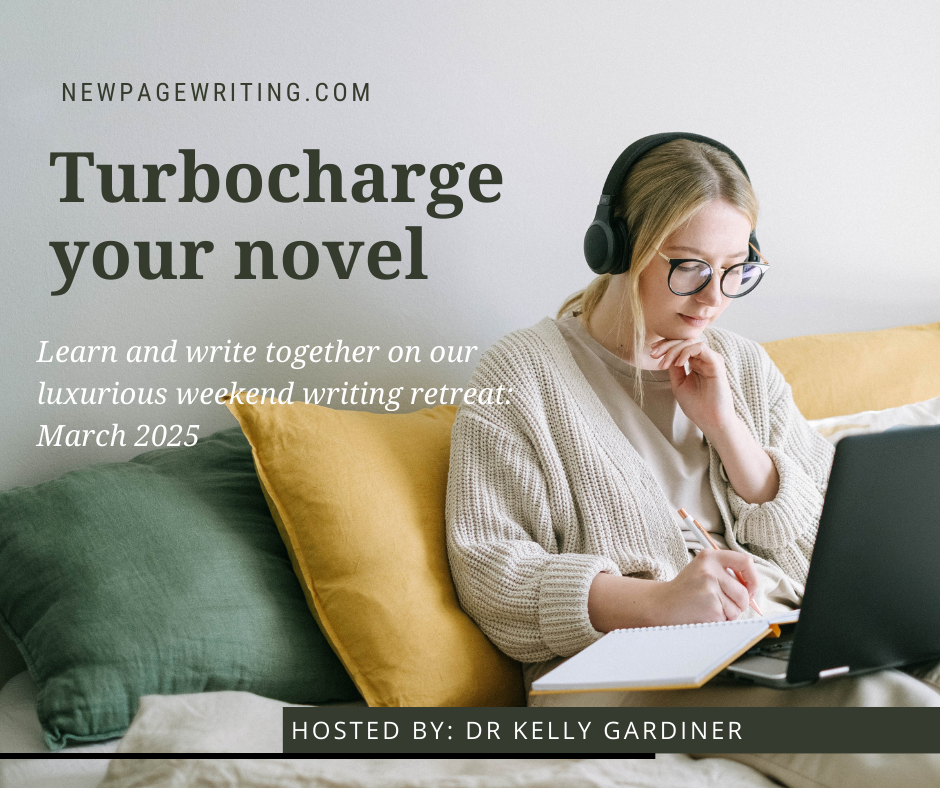
Next year I’ll also run masterclasses on historical fiction, Scrivener, writing YA, and a new weekend writing retreat on creative practice and creativity (and relaxation!).
People – especially emerging writers – often ask me what happens when you publish a book? How long does it take? Can you say you don’t want to change anything? Do you get any input on how it looks? Don’t you resent being edited? (Short answer: no, I love it.)
First, you write your book. I know that sounds silly, but plenty of aspiring writers worry way too much about getting published before they’ve actually finished the thing. I get that. It’s scary and also exhilarating to think you might one day publish a book, but you won’t publish anything at all if you don’t write it first, and make it as good as it can be.
Second, you pitch your book. That’s a whole topic of its own so I won’t bang on about it, and anyway I leave that to the experts nowadays – my fabulous agents at Jacinta Di Mase. They know what they’re doing, and they do all the hard work.
Then, once you have secured a publishing contract, your publisher’s processes kick in.
Editing rounds
So, you get early feedback on the manuscript from the publisher. These might be queries about plot points that miss the mark somehow, or about character development or voice: the big questions that an expert eye picks up, from someone who really cares about the book. Your publisher also knows what else they’ve got coming out (maybe similar titles, or in the same genre), in general what other houses have out, what the market’s doing, and what readers expect.
You have a think about any issues they’ve raised, respond accordingly with any amendments, and submit your final manuscript. Your book is given a slot in the publishing timeline which gives everyone enough time to work on it, but also aligns it with overall strategy (eg, not clashing with another similar title, lining it up for Mother’s Day or Christmas sales, hitting shops at the right time for its anticipated readers). At this point, your agent or publisher will start pitching it elsewhere – for translation rights, or adaptation.
Then there’s a structural edit. This may be done by an in-house editor or outsourced – either way, it will be done by someone who knows their stuff. They focus on big structural issues like character and plot, and their fresh eyes can pick up continuity errors or variations in voice, for example. They might recommend structure or plot changes, or point out the need for more clarity. Often they ask questions rather than edit – they leave the resolution up to the author. I’ve never had a serious argument about anything significant with an editor or publisher, and find that questions are usually insightful and all about making the book better.
Ideally this feedback also includes any outstanding issues from the publisher. In the case of Miss Bingley, our publisher, HarperCollins, brought together any feedback from all three publishers who are releasing the book (Australia/NZ, UK and US), plus the editor’s notes. And as the book is co-written with Sharmini Kumar, the two of us had to go away and figure out what we thought about anything significant, and we both went over the manuscript again to make any changes.
By this time, generally, you’re pretty sick of reading your novel, but again, you read through it all, correct any errors and give thanks they were discovered early on (!), and again amend the manuscript to make sure it works for you and the publisher.
But there’s no rest for the wicked, since after that comes the copy edit. Again, this is done by a professional editor, in-house or outsourced, who goes over the manuscript word by word, line by line, noting any errors (simple things like missing words or typos) and making suggestions about anything they find – might be word choice, sentence structure, the rhythm of a scene, overall pacing, dialogue, plot – anything. And when it’s historical fiction, they also ask questions like, “are you sure that type of hat was worn that year?”, to send you scurrying for your research notes (they are usually right to ask). And again you go through it, word by word, line by line, accepting their suggested changes, coming up with your own solutions, or flagging things for further discussion.
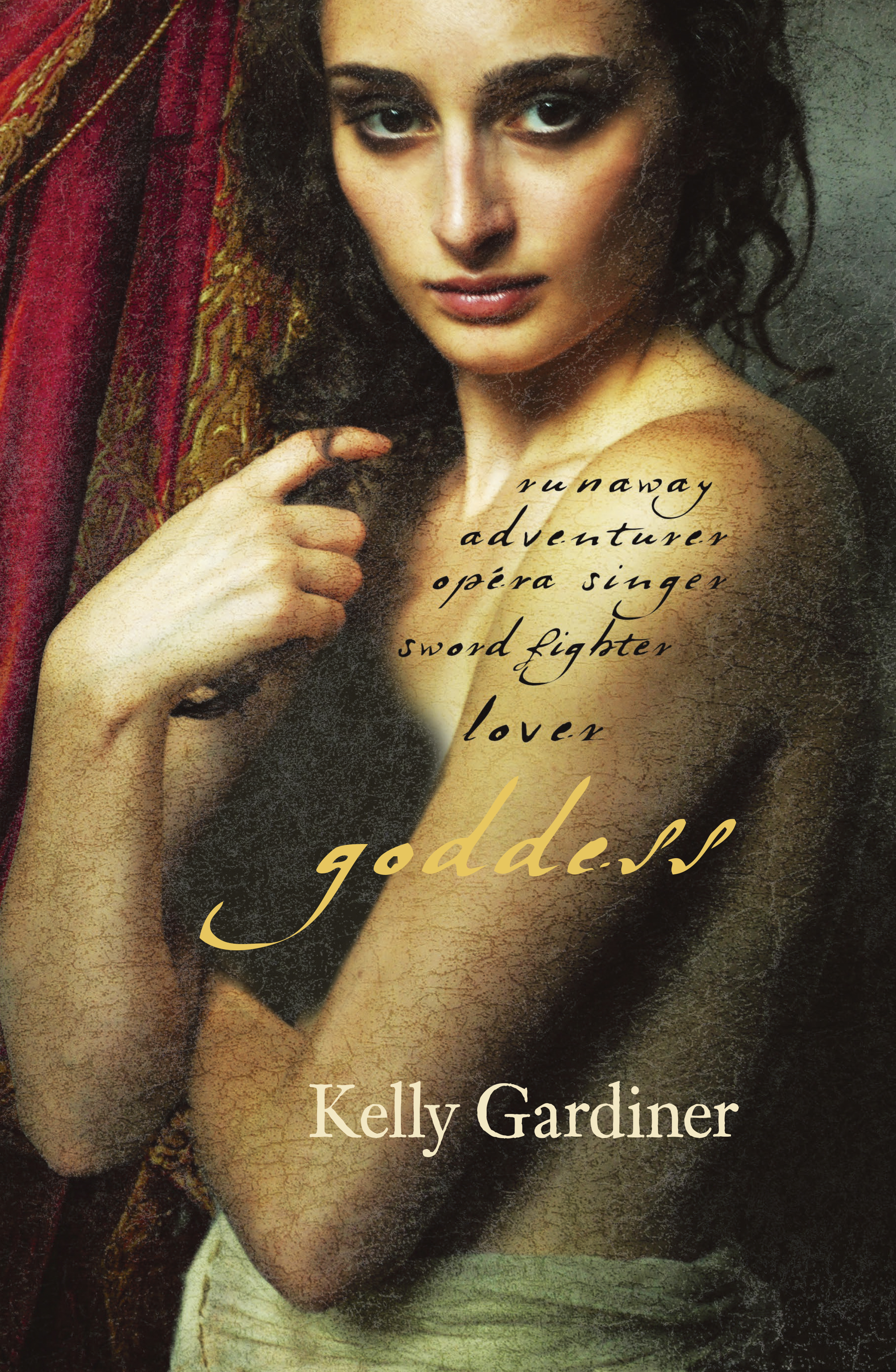
By now you probably have some cover concepts presented to you. It happens sometimes that authors hate their book covers, but I think it’s pretty rare, since publishers want you to love it. After all, you have to sell it too. Sometimes you get a few options to choose from, and sometimes they design different covers for different publishing territories. Whatever happens, I always go into the process knowing (from years working with designers in print media) that it’s someone else’s creative process, and I respect that. By the time it gets to you, a lot of people have worked on it, and they know what they’re doing, but you usually get a chance to make suggestions as well. (A confession: I asked for more arm muscles on the Julie figure on Goddess! Got knocked back on that. But that was such a gobsmackingly gorgeous image, and cover, I was very happy. And anyway, it wasn’t her sword arm.)
After the copy edit, your changes are incorporated, there may be a bit of back and forth about little things, and then the book is typeset. Yes, we still call it that. Every book has an internal design, even if you don’t really notice it, with creative decisions on typeface, chapter headings, drop caps, etc. This is the critical stage, because after this, it’s hard to change anything major.
Once it’s typeset, everyone proofreads it, over and over, even though by now you never want to see the bloody thing again. For some books, there’ll be a slightly different edition for different territories – the main issue is US spelling for that edition.
For each of these stages, you’re on a deadline and so are all the people behind the scenes at the publishing house. So be kind to anybody who says they’re proofreading or working through copy edits. They may have letters dancing before their weary eyes.
While this is happening, advance reading copies (called ARCs – without your final corrections) go out to booksellers, reviewers and journalists. So this is the first time your book is out in the world, even though it’s semi-secret and may contain errors. These early copies are for people who need to know in advance what the story is, who it’s for, and what they can do with it – order a million copies, set up interviews, book you for festivals, or get ready to review when it hits the shops.
And from then on, it’s in the hands of the publisher’s sales, marketing and publicity teams for pre-order, then promotions and sales to booksellers. And eventually in the loving hands of your readers.
All of that, in the case of Miss Caroline Bingley, Private Detective, will have taken about a year and a half, from contract to publication in April 2025.
Things are getting pretty exciting on the publishing front. We (my co-author Sharmini Kumar and I) submitted the final manuscript of Miss Caroline Bingley: Private Detectivea couple of months ago and we expect copy edits back from HarperCollins any day now.
Even more thrillingly, we’ve seen cover designs for the US and Australia/NZ/UK editions and they are gorgeous. We could show you, but we’d have to shoot you, so you’ll have to stay tuned.
It’s not out until April but things are heating up behind the scenes.
While that’s happening, I’ve been working on a new historical crime novel, currently titled Afterwards, which is set at an archaeological dig on Hadrian’s Wall just after the Second World War. I’ve got a first draft and am revising that now.
Teaching time
Last year, I gave up teaching full-time, after around a decade at La Trobe University. I do miss it, especially my colleagues and students, but it was the right time. I want to focus more on writing and various other projects.
But somehow I couldn’t quite seem to stop. I love teaching writing, working with writers, talking and thinking about writing.
So I’ve figured out a way to have the best of both worlds: teaching what I want to teach, the way I want to teach it, a few times a year. A couple of months ago I set up New Pages Writing Retreats & Masterclasses, and I’m looking forward to teaching in different ways over the coming year. I’ve been reviewing my favourite writing books, exploring new methods of teaching and articulating thoughts about writing, and preparing in every way I can.
First up, there’s a one-day masterclass on How to Build a Heroine, for any fiction writers with a heroine in mind, but especially for genre and YA writers. That’s on 21 September, in person, in Melbourne.
In November, I’m focused on one of my favourite genres, with another one-day, face-to-face masterclass, Do Crime: Writing Unforgettable Crime Fiction. That’s on 16 November, also in Melbourne.
Then early next year, I’m hosting my first weekend writing retreat at the gorgeous Continental House in Hepburn Springs. It’ll be a fiction intensive, with masterclasses and writing exercises, and lots of lovely food. That’s in March 2025 and bookings came in almost as soon as I opened them!
Really looking forward to all of these, and more.
And because I’m me, I’ve also set up a private online writing community for people who come to the classes, where we can stay connected, share tips and opportunities, and I can offer a few extra goodies.
So all in all, even though I haven’t been teaching full-time, I’ve been pretty busy.
It’s nearly spring here in Melbourne/Naarm and to be honest after a few bone-chilling weeks it feels warmer already – the jonquils are out!
Have I been hibernating? No, I have not. Well, maybe a little, but there’s lots on in the next few weeks so I’m madly preparing now for…
Bendigo Writer’s Festival – a delight every year, and this year I’m chairing a panel on writing collaboratively with Thomas Mayo & Kerry O’Brien (The Voice to Parliament Handbook), Bruce Pascoe & Lyn Harwood (Black Duck), and Tarryn Phillips & Edward Narain (Sugar). It’s on 9.30am on Sunday 18 August: details and bookings here.
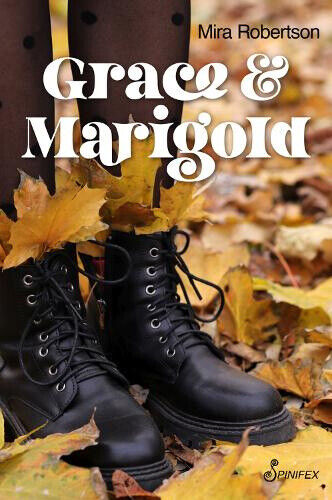
Then a couple of days later, I’m launching the wonderful new novel Grace and Marigold, by Mira Robertson, at Readings Carlton. It’s a terrific coming-of-age story of a young Australian woman, Grace, living in a London squat in the seventies. One of the things I love most about it is the fine detail of the hopeful people making lives in the squats, the bleak Thatcher-ite world around them, the gritty feel of London – the city coming alive, and the hilarious insight into seat-of-the-pants publishing of the time. The launch is on 20 August – free but you need to book as it’s filling up quickly.
The annual Davitt Awards in women’s crime writing are nearly upon us, with longlists and shortlists announced by Sisters In Crime. The big night, when we announce the winners in all the different categories is on 31 August. I’m sort of the MC and will spend part of the evening in conversation with guest of honour, Sulari Gentill, author of the Rowland Sinclair series and her newer contemporary mysteries such as the Woman in the Library. Tickets include dinner, and it’s likely to book out, so get organised, if you’re coming along. Details here.
Around this time last year, I retired from full-time teaching at La Trobe University (though I’m still hanging around – they can’t get rid of me).
Since then, I’ve been writing (a lot), travelling (a lot), walking (quite a lot) and planning.
And here’s what I’ve been planning: a series of writers’ retreats and masterclasses. I’ve called it New Page (see what I did there?) and it will include one-day in-person masterclasses, weekend retreat intensives, and short online courses. You can read about it here.
I’m delighted to kick it off with a subject close to my heart, and my writing: How to build a heroine.
Modern fiction is filled with fabulous, feisty, funny girls and women making their way through the universe. How do writers imagine them and bring them to life on the page?
Of course, the concepts and skills you’ll learn can be applied to a wide range of characters in fiction.
21 September, all day, in person, North Melbourne (Australia).
Bookings are essential because I’d like to keep the class size small.
I’m delighted to be part of this new podcast that gathers together many of our writing events on campus and at local literary festivals: Literary La Trobe, hosted by my dear colleague, historian Professor Clare Wright.
The first few episodes were recorded at last year’s Bendigo Writers’ Festival, and we’ll soon be adding more, including the Writers on Campus series that I organise and often host, and Clare’s series of book Launches @ the Library. Topics will range from crime fiction to writing history to the art of translation, so subscribe wherever you get your podcasts.
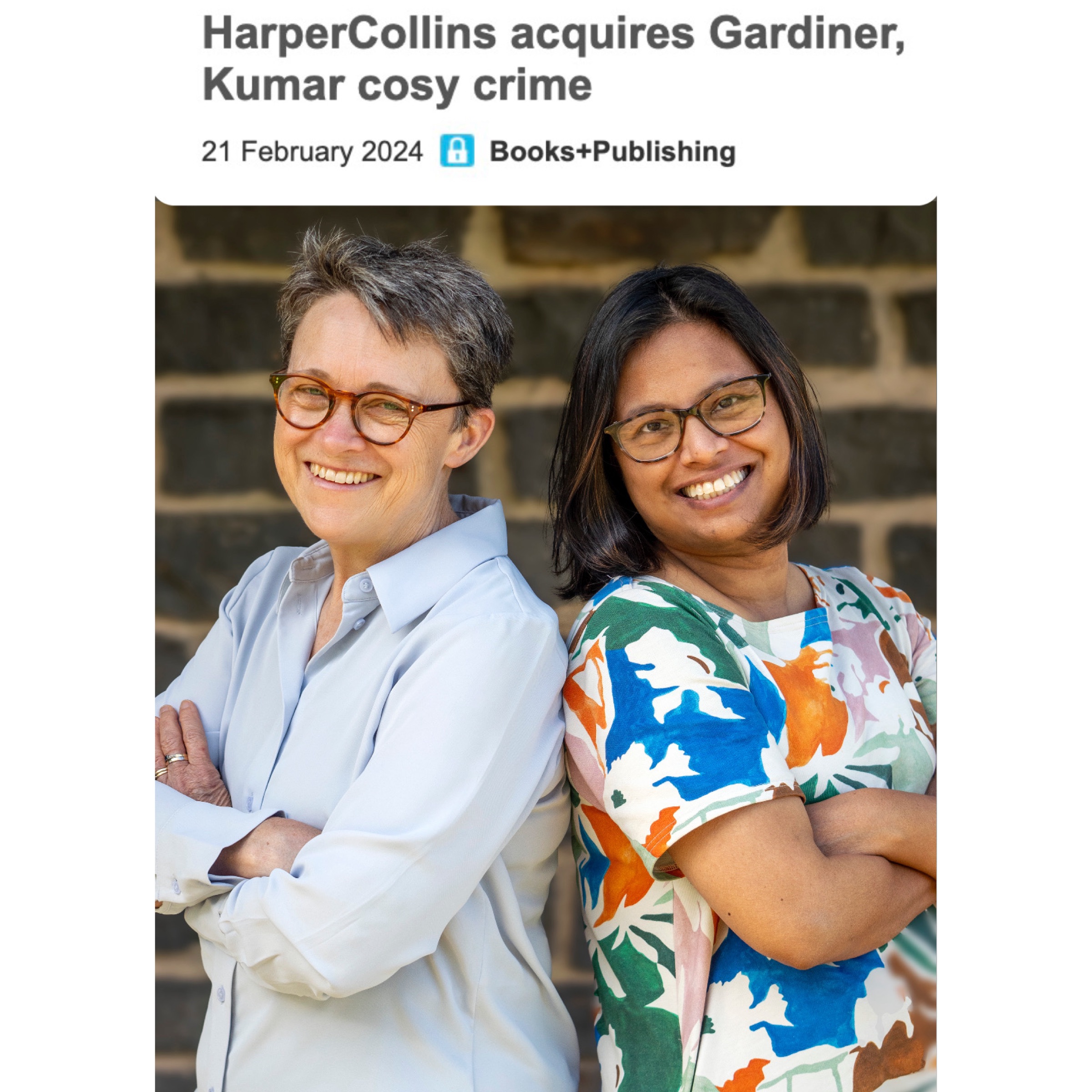
I’m absolutely delighted to announce that HarperCollins Publishers Australia has acquired World rights to publish Miss Caroline Bingley, Private Detective, the crime novel I co-wrote with Austen expert and all-round good egg, Sharmini Kumar, founder of AustenCon.
That means the novel will be published simultaneously in Australia, New Zealand, the UK and North America in April next year.
From the HarperCollins press release:
Roberta Ivers, Publisher at HarperCollins Australia, said: ‘I’m so excited to be publishing this brilliant, affectionate tribute to outspoken, independent women of the Regency era alongside my colleagues in the US and the UK, Rakesh Satyal and Cat Camacho. Not only is this story a delicious romp about women who won’t take no for an answer, it treads a skilful line between humour and pathos, with serious themes around colonial privilege that give us the other side of Austen’s story. I know everyone will fall in love with Caroline Bingley’s superior talents, as we all have around the world.’
Rakesh Satyal, Executive Editor, HarperVia said: ‘This ingenious homage to Austen is both respectful to the source material and daring in its scope, revealing to us new layers of this oft-visited and beloved world. I’m thrilled that this book will be available to readers around the globe. It’s fresh, wise, and endlessly diverting.’
Cat Camacho, Commissioning Editor, HQ, said: ‘I devoured Miss Caroline Bingley, Private Detective in one sitting. At the first page the authors pick you up from wherever you are and transport you utterly into the Regency world. It’s a brand-new, completely fresh take on the classic we all love, giving fan favourite characters their own stories and voices for the first time. I can’t wait to see it unleashed on the world.’
Literary agent Jacinta di Mase said; ‘From the moment I first pitched the concept to Roberta Ivers during an informal catch-up between sessions at Sydney Writers Festival in 2022, I knew she was the right publisher for the inimitable Caroline Bingley.’ While fellow agent Danielle Binks adds; ‘The reaction from the entire Harper family has been wonderful! It felt like we jumped from admiration to love, from love to acquisition in a moment, and we’re delighted at this home for Caroline, Kelly, and Sharmini.’
We’re pretty delighted too! Huge thanks to our agents, Danielle Binks and Jacinta Di Mase, and to everyone at HarperCollins.
Photo by Liliana Braumberger in this screenshot of the news in the trade magazine, Books & Publishing.





 Kelly Gardiner