Walking
Last month I was in the UK, walking Hadrian’s Wall – that is, following the line of the ancient Roman wall from coast to coast, right across England. I walked for eight days – sometimes plodding, I have to admit – with a day off in the middle to rest my weary feet and visit the spectacular Roman fort at Vindolanda. There are days when there aren’t too many traces of wall, especially at either end, but then you climb a hill and see hundreds of metres of it stretched out before you, or the remains of a fort or milecastle high on a crag, and are amazed all over again.

That walk was partly research for a project I’ve had in mind for many years, Sublime – essays on walking, pilgrimage and the idea of the Sublime. And I also wanted to write something (she says vaguely) about digging up the past and the women archaeologists of the 1940s. And it was very vague. I didn’t have a specific idea but felt like it would come on the walk. And it did. So I wrote in my head while I walked and scribbled in the evenings when I couldn’t take another step unless it took me to dinner. I’ve written a bit about women archaeologists in the Firewatcher Chronicles, but this is for adults and a bit more like a crime/thriller. It’ll be set in Northumberland, somewhere fictional but on the Wall. Early days yet, but I’m having fun with a new cast of characters.
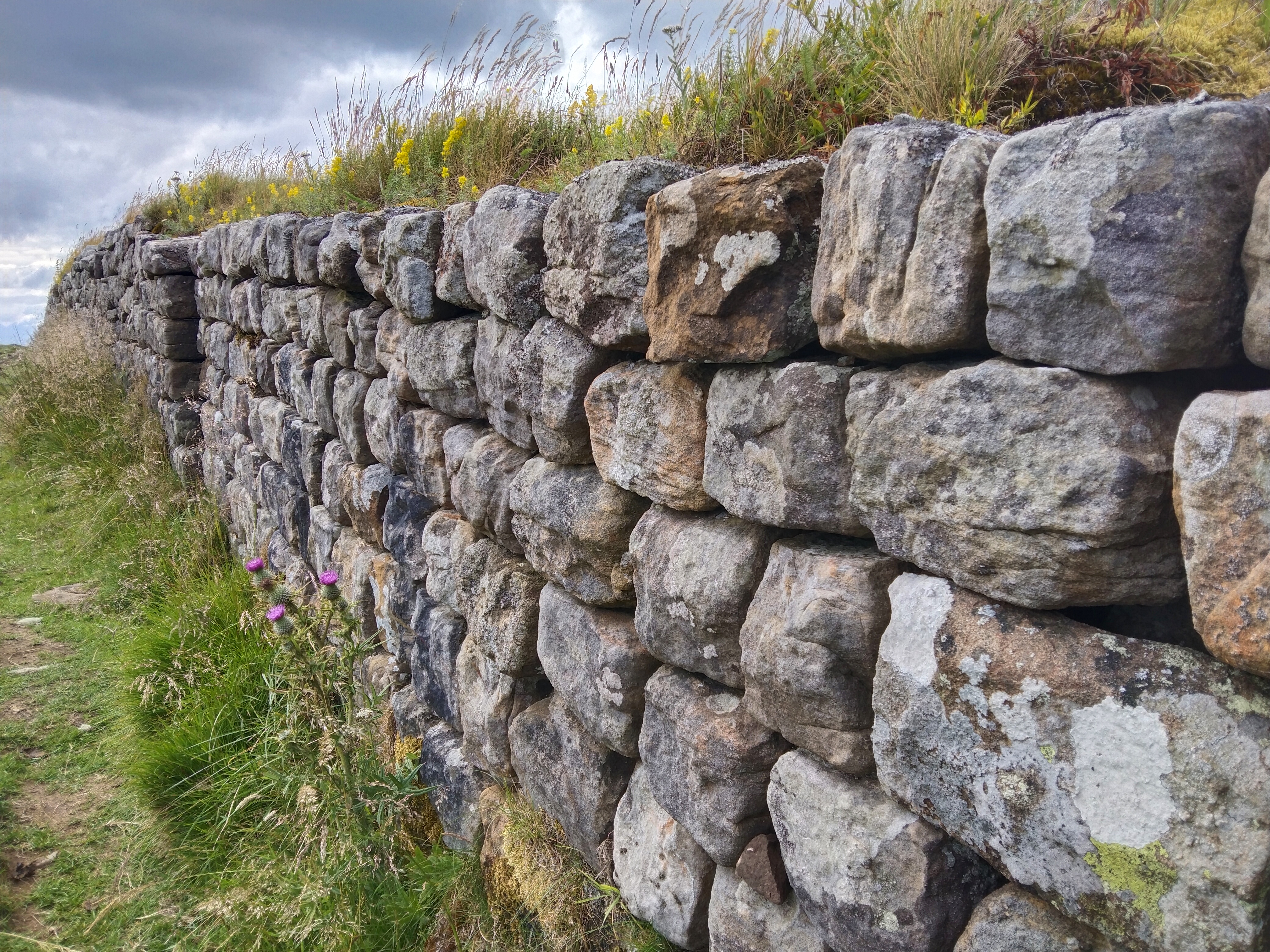
It’s the first time I’ve done such a long-distance walk and there were times I swore it would be my last, but I’m already planning the next.
After the Wall walk I spent a week on the stunning Northumberland coast, exploring ruined and not-so-ruined castles like the spectacular Dunstanburgh (below), walking along beaches and headlands, immersing myself in the history of the regions, and eating fish and chips.

One of the very best days was my visit to Lindisfarne, the Holy Island. I walked, barefoot, as people have for centuries, across the Pilgrim’s Way to the island, tracing the route that the monks and their most revered bishop, St Cuthbert, walked. The spirit of St Cuthbert is everywhere on the island – in the ruins of the priory, on the tiny outcrop where he spent some time as a hermit, and most particularly on the sands. You can only cross at low tide, following a line of sticks – there’s the risk of quicksand and it can be dangerous if you don’t time it properly and there are refuge huts like tree houses for people who get stranded.
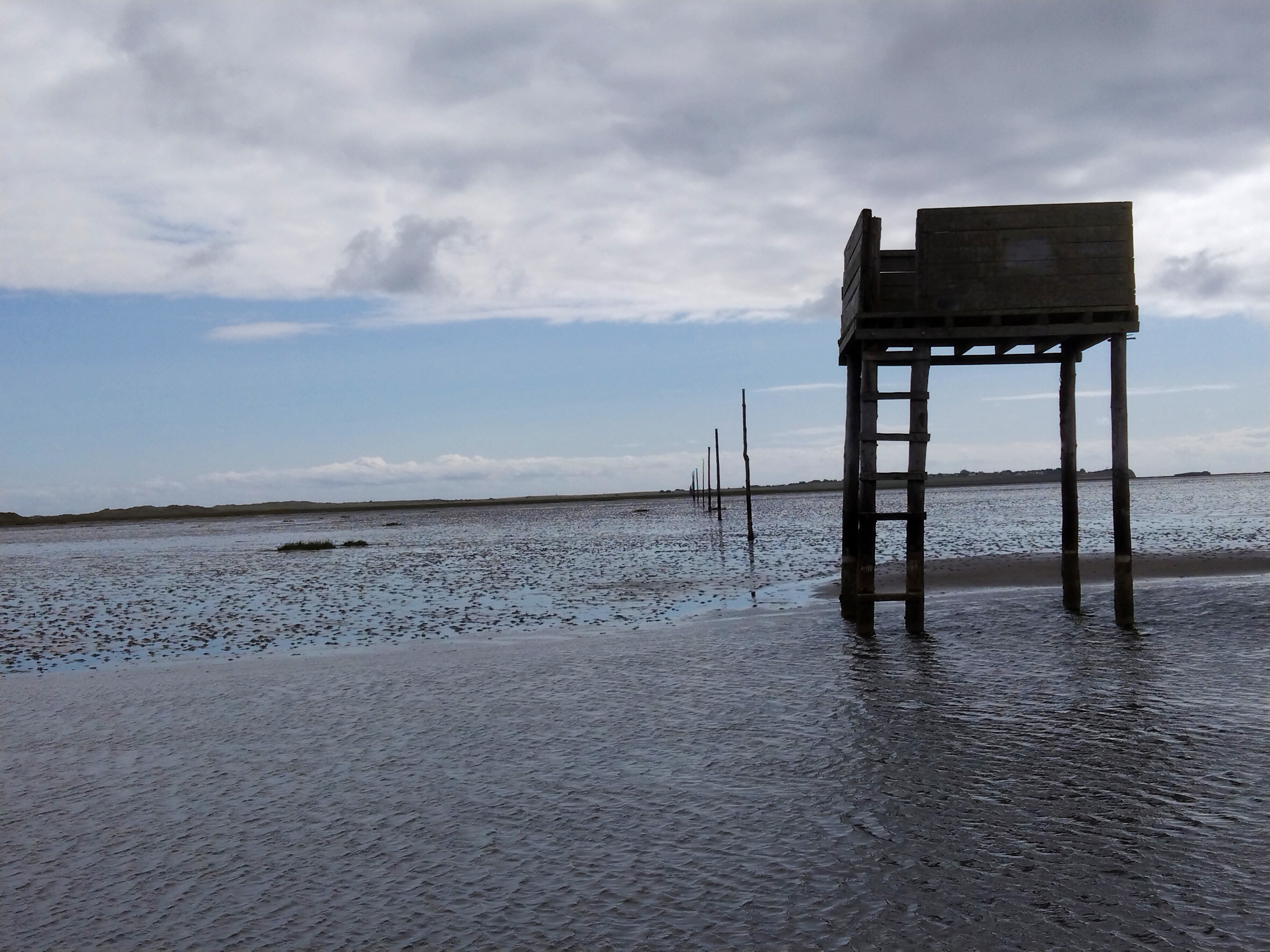
I’m not at all religious, but this walk felt like a very precious thing. Walking in ancient footsteps (well, medieval) and barefoot through sand and sea water. Two other women joined me and we walked together – at the other side, one said she would never forget that experience.
Nor will I.
Writing
Over the past few months, I’ve finished and sent off several manuscripts – my poor agents have quite a lot of reading to do.
They include Roar, a YA novel set in the 1980s in Apartheid South Africa; Wildfall, a YA historical fantasy; and Fine Eyes, the first Miss Bingley mystery, which I’ve written in collaboration with Sharmini Kumar.
Now I’m working on Modern Girls, set in the south of France just as the Second World War begins – it’s about a group of Modernist painters and writers, including exiles from Germany and elsewhere, who are forced to decide how to respond to the threat of war and invasion. It’s not easy writing either, as I’m trying (perhaps failing) to recreate the rhythms of different kinds of Modernist texts. We shall see.
And also chipping away at two nonfiction projects: Sisterhood, about the First World war pacifists; and a biography of La Maupin.
So many projects. As usual.
But to that end I’ve recently decided to stop working full-time and focus on my writing. It’s a huge change and I’m not quite used to it yet. I’ve also had a writing room built in the backyard so I’ve got absolutely no excuses.
Just write.
Reading
My reading brain fell out of my head during lockdown but it’s slowly coming back to me. Recently I’ve enjoyed Cuddy, by Benjamin Myers (a novel sort of about St Cuthbert), and I reread my childhood favourite Rosemary Sutcliff’s Eagle of the Ninth series while I was walking the Wall. I loved Alison Goodman’s The Benevolent Society of Ill-Mannered Ladies, Amie Kaufman’s Isle of the Gods, and Jock Serong’s The Settlement (a tough read, but excellent).


 Kelly Gardiner