I’m thrilled to announce that Miss Caroline Bingley, Private Detective, a new novel co-written with Sharmini Kumar, is now available for pre-order before release in April in the UK, Australia and NZ. It’s out in the US in July (US pre-order details coming soon).
How gorgeous is this cover design by Andrew Davis?
Thanks to HarperCollins Australia & New Zealand, HarperHQ and HarperVia for bringing our tribute to Miss Austen on her 250th birthday out into the world.
It is a truth universally acknowledged that a single lady in possession of a good fortune must be in want of a mystery to solve.
Here’s the idea;
Two years after the events of Pride and Prejudice, Miss Caroline Bingley is staying at her brother’s country estate within an easy ride of Mr and Mrs Darcy’s home, Pemberley, and wondering if there’s more to life than playing cribbage and paying calls on country neighbours.
So when Georgiana Darcy’s maid, Jayani, vanishes – and worse, Georgiana disappears in search of her – Caroline races to London to find them both, and quickly discovers a shocking, cold-blooded murder.
Soon Caroline and Georgiana are careering through the gritty, grimy underbelly of London assisted by Caroline’s trusty manservant, Gordon, and demanding answers of shady characters, police magistrates and mysterious East India Company-men to discover the killer. Along the way they uncover the cost of Empire on India and its people … and Miss Bingley’s incomparable powers of investigation.
As Caroline puts her superior new talents to work, she finds out exactly what an accomplished, independent woman with a sharp mind and a large fortune can achieve – even when pitted against secrets, scandal, and a murderer with no mercy.
People – especially emerging writers – often ask me what happens when you publish a book? How long does it take? Can you say you don’t want to change anything? Do you get any input on how it looks? Don’t you resent being edited? (Short answer: no, I love it.)
First, you write your book. I know that sounds silly, but plenty of aspiring writers worry way too much about getting published before they’ve actually finished the thing. I get that. It’s scary and also exhilarating to think you might one day publish a book, but you won’t publish anything at all if you don’t write it first, and make it as good as it can be.
Second, you pitch your book. That’s a whole topic of its own so I won’t bang on about it, and anyway I leave that to the experts nowadays – my fabulous agents at Jacinta Di Mase. They know what they’re doing, and they do all the hard work.
Then, once you have secured a publishing contract, your publisher’s processes kick in.
Editing rounds
So, you get early feedback on the manuscript from the publisher. These might be queries about plot points that miss the mark somehow, or about character development or voice: the big questions that an expert eye picks up, from someone who really cares about the book. Your publisher also knows what else they’ve got coming out (maybe similar titles, or in the same genre), in general what other houses have out, what the market’s doing, and what readers expect.
You have a think about any issues they’ve raised, respond accordingly with any amendments, and submit your final manuscript. Your book is given a slot in the publishing timeline which gives everyone enough time to work on it, but also aligns it with overall strategy (eg, not clashing with another similar title, lining it up for Mother’s Day or Christmas sales, hitting shops at the right time for its anticipated readers). At this point, your agent or publisher will start pitching it elsewhere – for translation rights, or adaptation.
Then there’s a structural edit. This may be done by an in-house editor or outsourced – either way, it will be done by someone who knows their stuff. They focus on big structural issues like character and plot, and their fresh eyes can pick up continuity errors or variations in voice, for example. They might recommend structure or plot changes, or point out the need for more clarity. Often they ask questions rather than edit – they leave the resolution up to the author. I’ve never had a serious argument about anything significant with an editor or publisher, and find that questions are usually insightful and all about making the book better.
Ideally this feedback also includes any outstanding issues from the publisher. In the case of Miss Bingley, our publisher, HarperCollins, brought together any feedback from all three publishers who are releasing the book (Australia/NZ, UK and US), plus the editor’s notes. And as the book is co-written with Sharmini Kumar, the two of us had to go away and figure out what we thought about anything significant, and we both went over the manuscript again to make any changes.
By this time, generally, you’re pretty sick of reading your novel, but again, you read through it all, correct any errors and give thanks they were discovered early on (!), and again amend the manuscript to make sure it works for you and the publisher.
But there’s no rest for the wicked, since after that comes the copy edit. Again, this is done by a professional editor, in-house or outsourced, who goes over the manuscript word by word, line by line, noting any errors (simple things like missing words or typos) and making suggestions about anything they find – might be word choice, sentence structure, the rhythm of a scene, overall pacing, dialogue, plot – anything. And when it’s historical fiction, they also ask questions like, “are you sure that type of hat was worn that year?”, to send you scurrying for your research notes (they are usually right to ask). And again you go through it, word by word, line by line, accepting their suggested changes, coming up with your own solutions, or flagging things for further discussion.
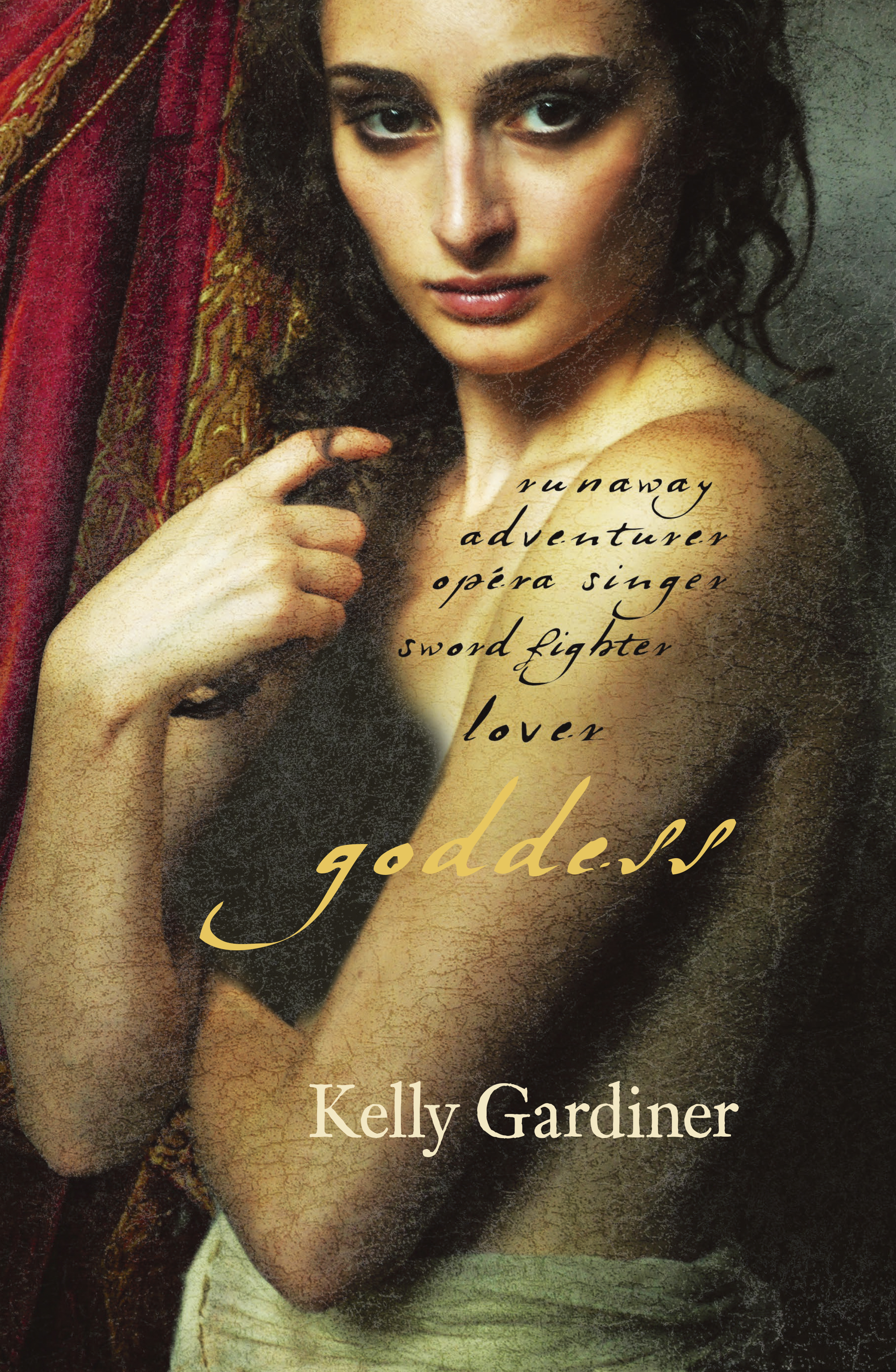
By now you probably have some cover concepts presented to you. It happens sometimes that authors hate their book covers, but I think it’s pretty rare, since publishers want you to love it. After all, you have to sell it too. Sometimes you get a few options to choose from, and sometimes they design different covers for different publishing territories. Whatever happens, I always go into the process knowing (from years working with designers in print media) that it’s someone else’s creative process, and I respect that. By the time it gets to you, a lot of people have worked on it, and they know what they’re doing, but you usually get a chance to make suggestions as well. (A confession: I asked for more arm muscles on the Julie figure on Goddess! Got knocked back on that. But that was such a gobsmackingly gorgeous image, and cover, I was very happy. And anyway, it wasn’t her sword arm.)
After the copy edit, your changes are incorporated, there may be a bit of back and forth about little things, and then the book is typeset. Yes, we still call it that. Every book has an internal design, even if you don’t really notice it, with creative decisions on typeface, chapter headings, drop caps, etc. This is the critical stage, because after this, it’s hard to change anything major.
Once it’s typeset, everyone proofreads it, over and over, even though by now you never want to see the bloody thing again. For some books, there’ll be a slightly different edition for different territories – the main issue is US spelling for that edition.
For each of these stages, you’re on a deadline and so are all the people behind the scenes at the publishing house. So be kind to anybody who says they’re proofreading or working through copy edits. They may have letters dancing before their weary eyes.
While this is happening, advance reading copies (called ARCs – without your final corrections) go out to booksellers, reviewers and journalists. So this is the first time your book is out in the world, even though it’s semi-secret and may contain errors. These early copies are for people who need to know in advance what the story is, who it’s for, and what they can do with it – order a million copies, set up interviews, book you for festivals, or get ready to review when it hits the shops.
And from then on, it’s in the hands of the publisher’s sales, marketing and publicity teams for pre-order, then promotions and sales to booksellers. And eventually in the loving hands of your readers.
All of that, in the case of Miss Caroline Bingley, Private Detective, will have taken about a year and a half, from contract to publication in April 2025.
I’m absolutely delighted to announce that HarperCollins Publishers Australia has acquired World rights to publish Miss Caroline Bingley, Private Detective, the crime novel I co-wrote with Austen expert and all-round good egg, Sharmini Kumar, founder of AustenCon.
That means the novel will be published simultaneously in Australia, New Zealand, the UK and North America in April next year.
From the HarperCollins press release:
Roberta Ivers, Publisher at HarperCollins Australia, said: ‘I’m so excited to be publishing this brilliant, affectionate tribute to outspoken, independent women of the Regency era alongside my colleagues in the US and the UK, Rakesh Satyal and Cat Camacho. Not only is this story a delicious romp about women who won’t take no for an answer, it treads a skilful line between humour and pathos, with serious themes around colonial privilege that give us the other side of Austen’s story. I know everyone will fall in love with Caroline Bingley’s superior talents, as we all have around the world.’
Rakesh Satyal, Executive Editor, HarperVia said: ‘This ingenious homage to Austen is both respectful to the source material and daring in its scope, revealing to us new layers of this oft-visited and beloved world. I’m thrilled that this book will be available to readers around the globe. It’s fresh, wise, and endlessly diverting.’
Cat Camacho, Commissioning Editor, HQ, said: ‘I devoured Miss Caroline Bingley, Private Detective in one sitting. At the first page the authors pick you up from wherever you are and transport you utterly into the Regency world. It’s a brand-new, completely fresh take on the classic we all love, giving fan favourite characters their own stories and voices for the first time. I can’t wait to see it unleashed on the world.’
Literary agent Jacinta di Mase said; ‘From the moment I first pitched the concept to Roberta Ivers during an informal catch-up between sessions at Sydney Writers Festival in 2022, I knew she was the right publisher for the inimitable Caroline Bingley.’ While fellow agent Danielle Binks adds; ‘The reaction from the entire Harper family has been wonderful! It felt like we jumped from admiration to love, from love to acquisition in a moment, and we’re delighted at this home for Caroline, Kelly, and Sharmini.’
We’re pretty delighted too! Huge thanks to our agents, Danielle Binks and Jacinta Di Mase, and to everyone at HarperCollins.
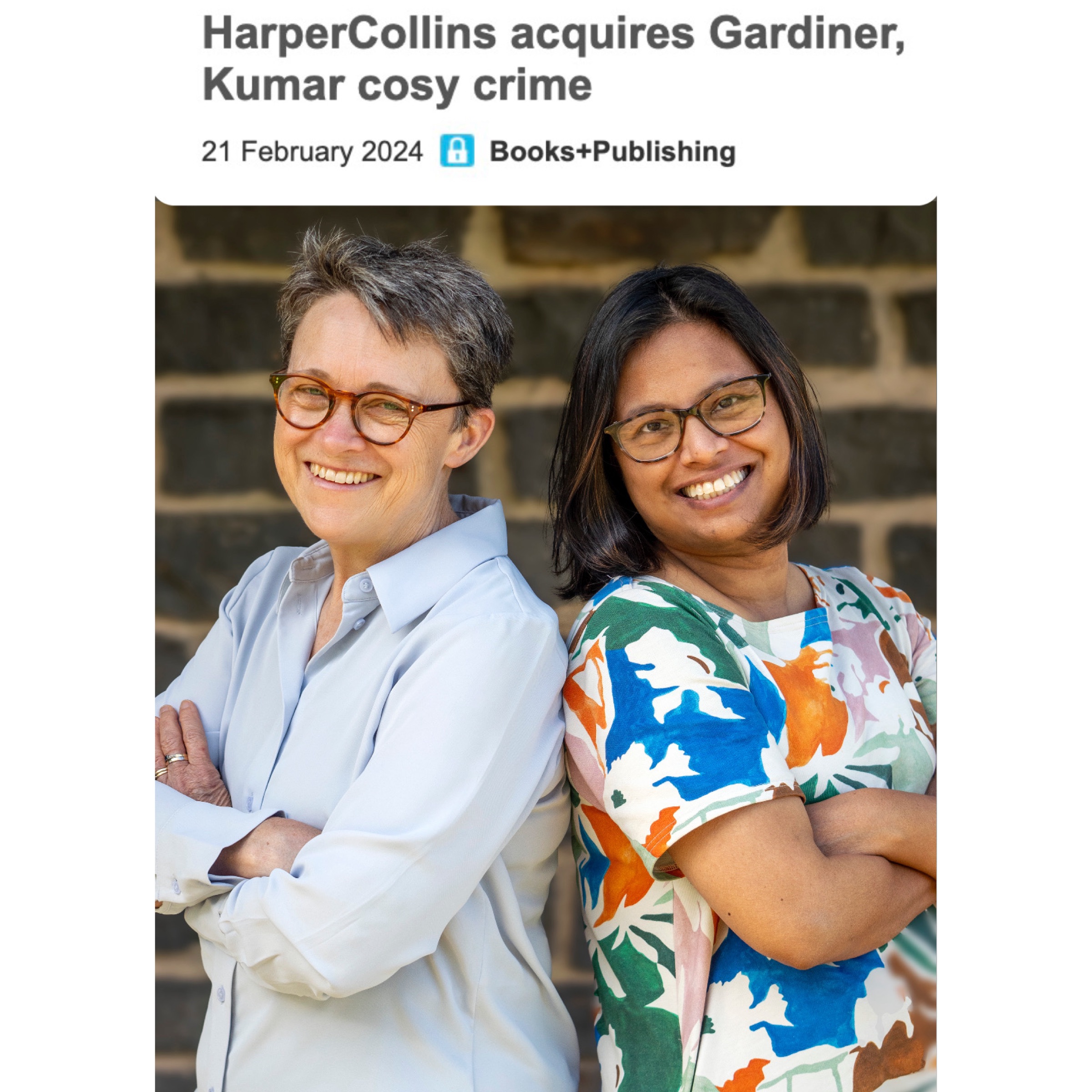
Photo by Liliana Braumberger in this screenshot of the news in the trade magazine, Books & Publishing.
Vigil, the final book in The Firewatcher Chronicles, is officially published today in Australia and New Zealand.
In this, the third of the Chronicles, Christopher faces life in London after D-Day, when Hitler’s dreaded secret weapons – V1 and V2 rockets – blasted the city. But he has his own private challenges too, racing across time to discover the secret of the Roman ring he found in the Thames, and to help his friends uncover an ancient temple. It seems simple enough to slip through time back to Roman London, rally his own ragtag troops through the centuries, and beat his arch-enemy Brother Blowbladder. But mastering the power of the ring is never easy.
I’m delighted to announce that Eksmo, one of Europe’s leading publishers, has bought the rights to translate and publish The Firewatcher Chroniclesin Russian.
Eksmo publishes more than 8000 authors and 80,000,000 copies of books in Russia each year, and I’m so pleased that my stories of Christopher and his friends will soon be in the hands of young Russian-language readers.
I wish I could send every book out into the world with the Preface from Act of Faith, and I suppose in some ways I do:
Dear Reader,
This book you hold is a treasure, of sorts, as is every book I have ever known.
I have made it for you – especially you – for reasons you will understand as my words unfurl before your eyes.
Turn these pages tenderly.
You hold my life in your hands.
Isabella Hawkins
Venice
1647
Praise for The Sultan’s Eyes:
“Through the eyes of the books’ impulsive and curious heroine … readers experience everyday life in the seventeenth century first in Venice, then in the capital of the Ottoman Empire. In addition to being an amusing and gripping adventure story, this ambitious novel also discusses questions of gender inequality, religion, philosophy, and politics.”
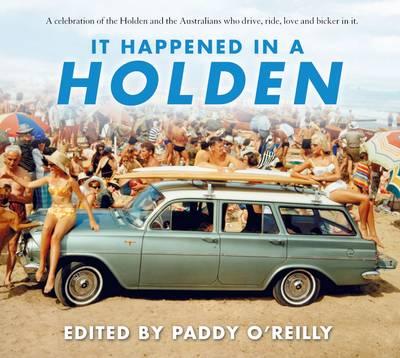
Look out for this gorgeous little book, just published by Affirm. If you get nostalgic for childhood summers, or at the sight of a passing EH wagon, or perhaps have fond memories of youthful Torana drag races, this may be the book on your Christmas list this year. I have a little piece in it (along with some photos of my beloved Aunty Myrtle and Uncle Phil and their old Holden).
And now we enter into the most anxious weeks of any writer’s life: release time. I don’t know any writers who don’t feel nervous, sleepless, perhaps fretful, just before a new book comes out. Maybe once you’ve written dozens of books, you feel a bit more blasé. But this is number seven, and I never get used to it. There’s nothing more I can do, nothing to be corrected or changed – it’s printed, and being packed in boxes to be delivered in the next week or so. If it were possible to both cross my fingers and bite my nails at the same time, I’d do that. Why?
Goddess, my novel based on the life of Julie d’Aubigny (Mademoiselle de Maupin), hits the bookshops in a few weeks. After four years of thinking and researching and writing and listening to La Maupin’s voice in my head, her story is ready to be heard. Again.
There are other versions of her life, of course, especially in French. She has been portrayed on screen and stage, and is a her own meme – the tag #julied’aubigny on either tumblr or twitter will reveal new people discovering her story every week. So often I see people exclaim: how is it I’ve never heard of this swordfighting, opera singing, badass woman? Where has she been all my life? Why isn’t she more famous?
The truth is that she has been very famous, on and off, in her lifetime and beyond. She will be again, I have no doubt.
She has been vilified and acclaimed, and she has scandalised and amazed people and still does, hundreds of years after her death.
I do hope you like my version of her story, of her voice. Here she is.





 Kelly Gardiner