Coming up!

It’s nearly spring here in Melbourne/Naarm and to be honest after a few bone-chilling weeks it feels warmer already – the jonquils are out!

Have I been hibernating? No, I have not. Well, maybe a little, but there’s lots on in the next few weeks so I’m madly preparing now for…

Bendigo Writer’s Festival – a delight every year, and this year I’m chairing a panel on writing collaboratively with Thomas Mayo & Kerry O’Brien (The Voice to Parliament Handbook), Bruce Pascoe & Lyn Harwood (Black Duck), and Tarryn Phillips & Edward Narain (Sugar). It’s on 9.30am on Sunday 18 August: details and bookings here.

Then a couple of days later, I’m launching the wonderful new novel Grace and Marigold, by Mira Robertson, at Readings Carlton. It’s a terrific coming-of-age story of a young Australian woman, Grace, living in a London squat in the seventies. One of the things I love most about it is the fine detail of the hopeful people making lives in the squats, the bleak Thatcher-ite world around them, the gritty feel of London – the city coming alive, and the hilarious insight into seat-of-the-pants publishing of the time. The launch is on 20 August – free but you need to book as it’s filling up quickly.
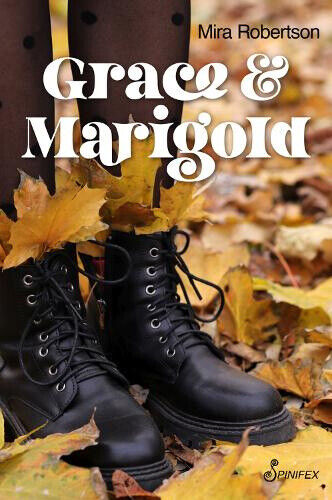
Book cover: Grace and Marigold - features a pair of black boots and autumn leaves.

The annual Davitt Awards in women’s crime writing are nearly upon us, with longlists and shortlists announced by Sisters In Crime. The big night, when we announce the winners in all the different categories is on 31 August. I’m sort of the MC and will spend part of the evening in conversation with guest of honour, Sulari Gentill, author of the Rowland Sinclair series and her newer contemporary mysteries such as the Woman in the Library. Tickets include dinner, and it’s likely to book out, so get organised, if you’re coming along. Details here.

See you out there!

Kelly

Young People’s History Prize

Exciting news this week. My book 1917: Australia’s Great War was shortlisted for the Young People’s History Prize in the NSW Premier’s History Awards.

The Awards were held on Friday night in two stunning rooms in the State Library of NSW – one had hundreds of early editions of Don Quixote in glass-fronted bookcases. It was lovely to hear the Premier say that she’s a voracious reader, to hear the Minister for the Arts talk about his own writing, to welcome the new State Librarian of NSW, and to be part of the launch of History Week. My thanks to the State Library (where I also spent all day yesterday deep in research), Create NSW, the History Council and the judges for this recognition of 1917 and for inviting me to be part of the evening’s celebrations. I’ve been on literary awards shortlists but it’s a very different kind of feeling to have my book acknowledged  as a work of history-making.

The History Awards are judged by an extraordinary panel of senior historians, and I’m honoured to be shortlisted – and to be in the company of the authors and creators on the Young People’s History Prize list and all the shortlists. Congratulations to every single one. And of course now I want to read all the books.

Our shortlist was pretty short. The two other books were:

Desert Lake: The Story of Kati Thanda—Lake Eyre (Pamela Freeman & Liz Anelli, Walker Books)

Book cover Desert Lake

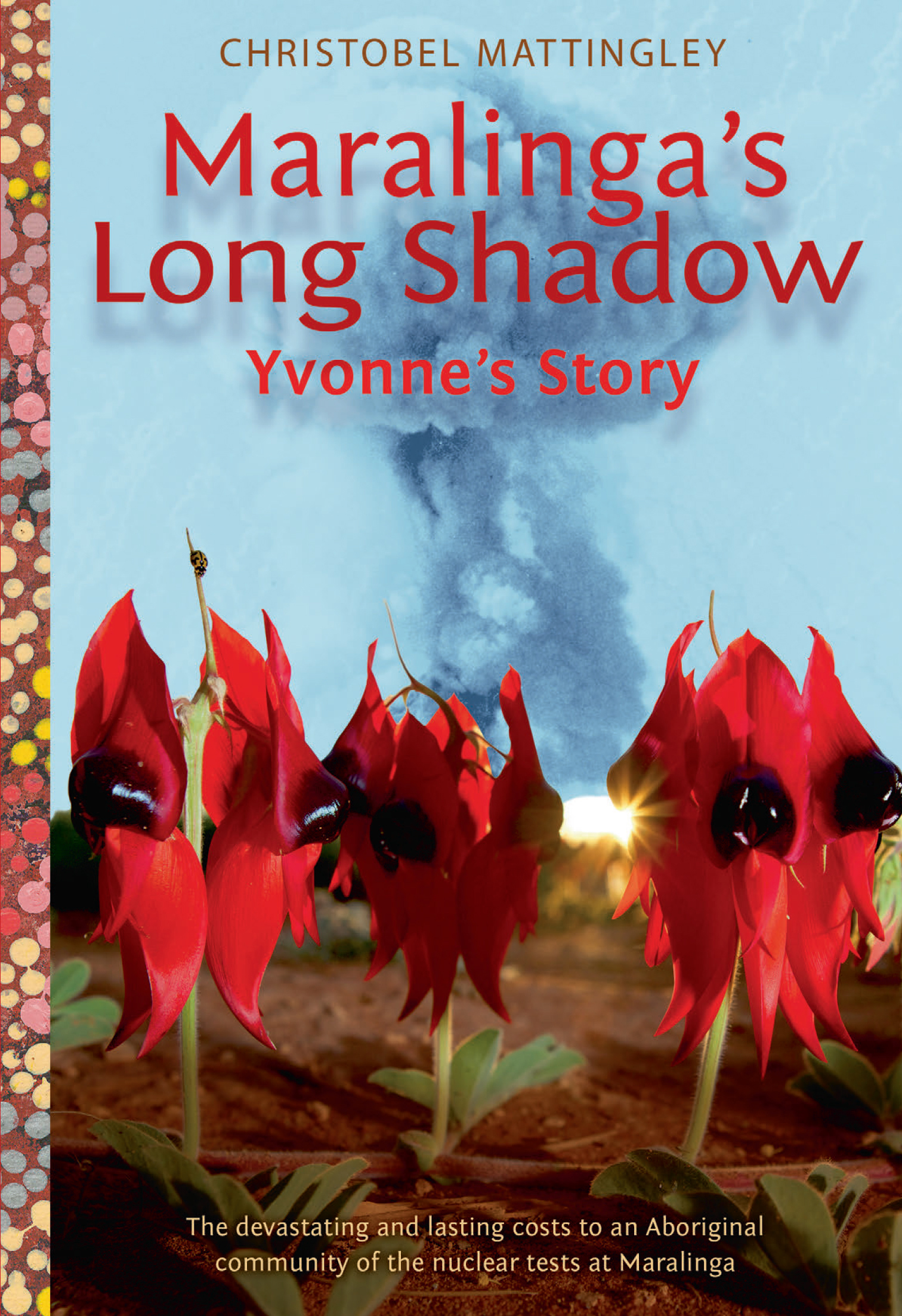
Maralinga’s Long Shadow: Yvonne’s Story (Christobel Mattingley, A&U)

Book cover Maralinga's Long Shadow

And the prize was won by Christobel Mattingley for Maralinga’s Long Shadow: Yvonne’s Story. In accepting the award, Christobel talked about the artist Yvonne Edwards, her family,  and the Anangu people, so many of whom were exposed to radiation by the nuclear bomb tests on Maralinga Tjarutja lands, and so many of whom have died of cancer since the bombs – including, sadly, Yvonne. Profits from the book go to her family. Congratulations to Christobel, who also worked with Yvonne and the communities to tell their stories  in Maralinga, the Anangu Story, so that their children and other children can know the truth of their experiences.

It’s wonderful that there is a Young People’s History Prize alongside awards for Australian, general (as in, everywhere else) and community or local history, as well as multimedia. That says a lot about the important work we do encouraging young people’s engagement with history.

1917 is partly about the divisive conscription campaign on the Home Front, and I remember choosing not to use the word ‘plebiscite’  when I wrote it, because young readers might not know what that old-fashioned word meant. I had no idea then that the country would undergo another plebiscite debate in 2017, and that young people would take to the streets to protest about it. But perhaps we always write and read about the past to reflect on the present.

Some of the fictional characters in the book are based on members of my family, especially my great-aunts who were children – and peace activists – during the war. I wish they were still with us so they could see how they – like young readers today – really do make history.

Eight year-old Madge (my great-aunt) led the United Women’s No Conscription Procession in 1916.


Header image: Inside the Mitchell Library by Littleyiye

Creative Commons by Attribution