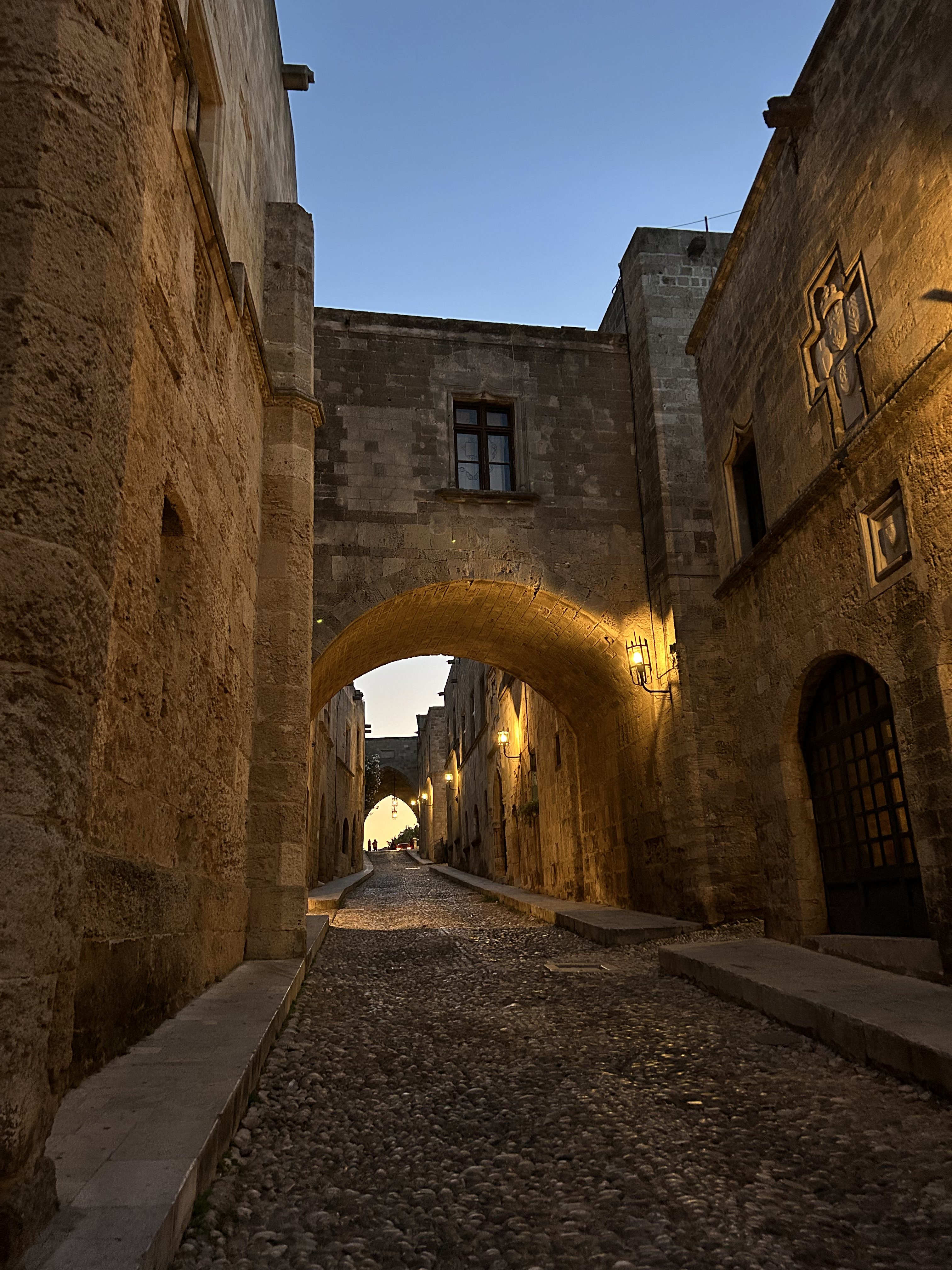
Place in fiction is so much more than setting. Think of the mean city streets of detective noir, the high moors or lonely cabin, the claustrophobic sailing ship or space station, dusty country roads, wide wheatfields, dark London alleyways, vast oceans or skies, Highland villages and German forests.

Place is atmosphere, it’s mood, it’s possibility. It’s not a backdrop – it’s also society, community, class, trade, faith, ritual, food, textures, conflict. A place helps form the people in it. Characters in fiction are who they are, who they become, for better or worse, because of where they are, how they live, who they love or don’t, how they grew up, what they believe. As writers, we have to imagine and recreate the world for them.
Place is people, which means it’s also plot. The things that happen to people in a story are often influenced by the world the author has built for them. It might be social expectations of marriage (Pride and Prejudice, My Brilliant Career) or devastating circumstances (The Hunger Games), compelling characters in an everyday world (Heartstopper, The Murder of Roger Ackroyd) or extraordinary people and creatures in incredible worlds (Lord of the Rings, The Left Hand of Darkness).
A masterclass in writing place, and one of my favourite books, is Leo Tolstoy’s War and Peace, with its virtuoso moving between worlds: from the joyful chaos of the young Rostovs to the Ibsen-like stifling routine of Princess Marya, trapped in a country house with her dictatorial father; from a riotous gentleman’s club in St Petersburg to a soldier’s campfire in the forest or a quiet conversation between two prisoners; the battlefield of Borodino, to a grand ballroom, to a convoy of refugees. People often don’t realise this is historical fiction: he’s writing about his grandparents’ era, not his own.
Tolstoy had his own class biases, of course, and his overwhelming admiration for the “Russian soul”, but his research and specificity are unsurpassed. Sure, we probably don’t all rejoice in the many pages of discussion around contemporary Freemason philosophy, but if a character is obsessed with it, as Pierre is, we need to know what’s going on in his head (anyway, I just flick over those pages now when I reread). His love for the soul of Russia doesn’t extend to the serfs on the Bolkonsky estate, but he too is a product of the world he creates so vividly. Napoleon watching the fires roaring through Moscow, General Kutuzov weeping over battle casualties, the little dog howling in the snow – every image is memorable.
We aren’t all Tolstoy, and we don’t need to be. But as writers, we do need to create a sense of place – wherever, whenever and wherever it might be, to enrich and perhaps even drive our stories. It matters more than we know. I spend a lot of time and thought on creating a sense of place, so my readers feel how it might be to walk through bombed-out London streets or the stables at Versailles, ride the Victorian High Country or enter a printer’s workshop in Venice.
Which is why I’m teaching a full-day workshop on writing place and building worlds soon – on 17 October, in Melbourne. You can find out more and book here.