Great novels to read this month

In honour of International Women’s Day and Women’s History Month, here are just a few of my favourite novels by and about women, all illuminating the lives of women in the past and today.
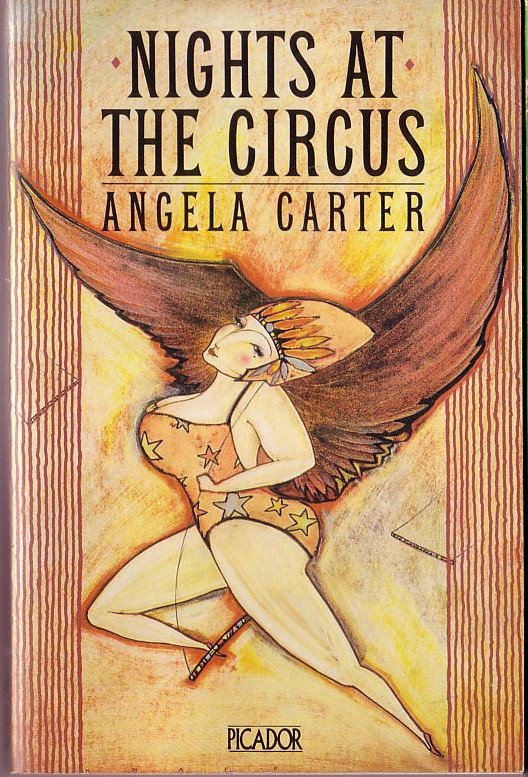
 

book cover angela carter

Nights at the Circus, Angela Carter
A thrilling trapeze act of character, voice and magic.


Beloved, Toni Morrison
Unflinching. Utterly captivating. A writing masterclass in one small but enormous book.


The Passion, Jeanette Winterson
One of the great postmodern historical novels, The Passion is a lesson in using voice to connect past and present, and in combining heartbreak with restraint.


Fingersmith, Sarah Waters
I’ve said this before, I know: this is virtuosic ventriloquism and storytelling, with a twist that will have you throwing the book across the room and then scrambling to pick it up again to find out what happens next.


The Colour Purple, Alice Walker
It never gets old. Never.


Alias Grace, Margaret Atwood
Chilling. Brilliant.


Possession, A. S. Byatt
Another neo-Victorian ventriloquist’s performance, capturing all the melodrama of a Dickens novel.


Orlando, Virginia Woolf
I wish there was another word for seminal. How about: the book that gave birth to us all? (Here’s Tilda Swinton’s take on it.)


film adaptation of orlando

Tilda Swinton as Orlando and Quentin Crisp as Elizabeth (and two excellent hounds) in Sally Potter’s adaptation of Orlando.


And some more recent titles:
Skin, Ilke Tampke
Beautifully written and reimagined world of early Britain during the confrontation with Rome.


Theodora, Stella Duffy
The appropriately riotous tale of the acrobat who became Empress of half the known world.


Code Name Verity, Elizabeth Wein
It’s brutal and stunning and unforgettable.


Hild, Nicola Griffith
Another miraculous reimagining of Britain – this time in the early decades of the Christian missionaries and saints.
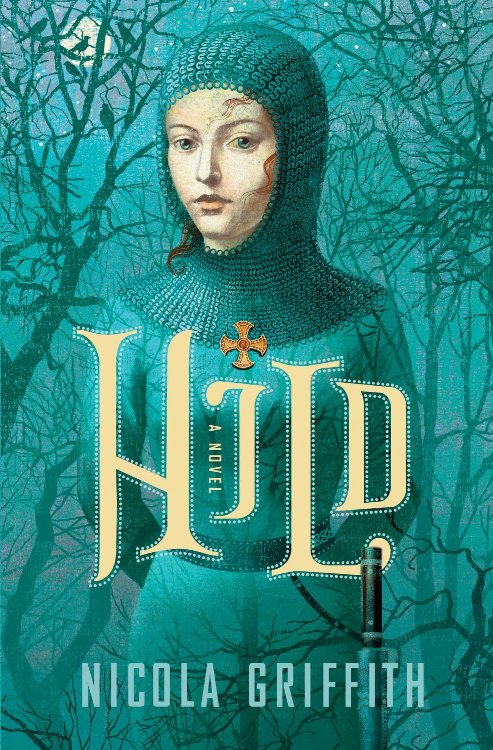
 

book cover for Hild


I could go on and on but I won’t. Feel free to add your own suggestions.
Lately I’ve been…

Walking. And thinking about walking. And reading about walking.

Writing about walking seems to be a major preoccupation nowadays, as it has been at different times in the past.  Interestingly, a lot of the current writing about walking is also about the literature of walking – the mapping of places and movement with words.

Of course, writing about walking is also writing about place and particularly landscape, and is a form of memoir, and so it is often about the intersections of self and landscape (or cityscape) and movement and memory.

I’ve been thinking about all this as part of my eternal Sublime project on travel, pilgrimage and place. But it’s all still very misty in my mind. You know that feeling when there are outlines just visible in the distance and you’re not quite sure how to draw them together? Just me?

Oh well.

Luckily, it also some of the best writing around at the moment.

Here’s what I’ve been reading:

Wanderlust, by Rebecca Solnit, whose A Field Guide to Getting Lost is also brilliant. A blend of memoir, reflection, politics, literary studies and the history of walking for recreation and well-being – that is, walking by choice rather than as the only means of transport.

When you give yourself to places, they give you yourself back; the more one comes to know them, the more one seeds them with the invisible crop of memories and associations that will be waiting for you when you come back, while new places offer up new thoughts, new possibilities. Exploring the world is one of the best ways of exploring the mind, and walking travels both terrains.

– Rebecca Solnit, Wanderlust


The Old Ways: A Journey on Foot and Landmarks by Robert Macfarlane – beautiful, lyrical and thoughtful writing on landscape, language and the paths we create.

The Moor: Lives, Landscape and Literature, by William Atkins, which I bought one day walking around London and thinking about the English landscape in particular, and the culture of walking in the countryside. (After I’d just walked along Hadrian’s Wall.)

Right now, I’m reading Rising Ground: A Search for the Spirit of Place by Philip Marsden, which is about exploring the sacred nature of places, mostly on foot and through story.

The compact between writing and walking is almost as old as literature – a walk is only a step away from a story, and every path tells.

– Robert Macfarlane, The Old Ways

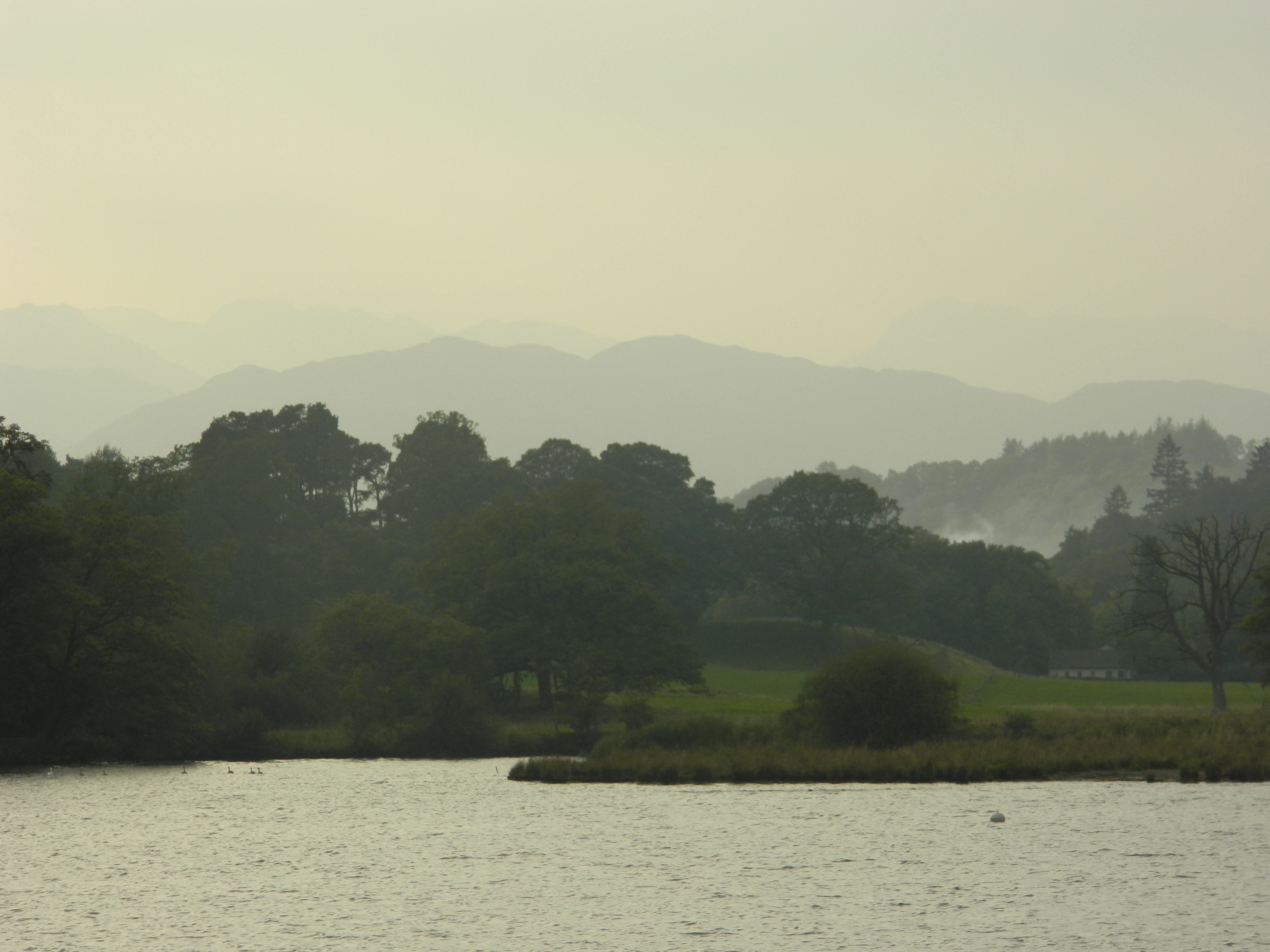
Mist over Lake Windermere: where the Wordsworths walked.

Mist over Lake Windermere: where the Wordsworths walked.  

Coming up: workshops with Writers Victoria

Happy new year! How did that happen? It seems like only yesterday it was 1987.  Then there were a few years after that which are a bit of a blur. And now suddenly it’s 2016. ALLEGEDLY.

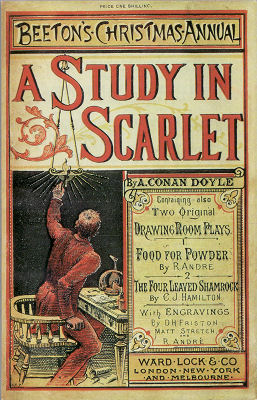
It’s definitely summer here in Melbourne, anyway, and I’m just back from a week or so at the beach, reading Sherlock Holmes stories and getting sunburned. It’s an annual tradition.

Sherlock Holmes story

So. Where were we? Ah yes.

I’m teaching a couple of new workshops for the good people at Writers Victoria this coming term.

First up, we’ll be unravelling the mysteries of Scrivener in an all-day class on 10 April. If you haven’t heard of it, Scrivener is software created especially for writers. I love it, and I’ll show you how to make the most of it too.

Then there’s a webinar on Online Marketing on 10 May at 6pm.  We’ll talk about how to engage with readers online and create a public persona that supports writing practice but doesn’t (we hope!) sound like hard-sell advertising.

If you’ve never been part of a webinar before, it’s like a live web-based video workshop in which everyone can participate.

You can find details of both workshops here.

Busy bee

It’s spring here in Melbourne. Sunday. I ought to be gardening or, given that I’m a Melburnian, out to brunch, but instead I’m crazy busy.

All good though.

Yesterday I went to a briefing about the Dinosaur Dreaming project at Melbourne Museum. I’ve volunteered to go on a dig along the “Dinosaur coast” in February. Next weekend, they teach us to break rocks. You have to take your own chisel and magnifying lens thingummy. I can’t tell you how thrilling that is.

Then I spent the afternoon on a panel at the Professional Historians Association’s social media masterclass, full of excited historians embracing Twitter and Facebook, Pinterest and Periscope.

The ebook I co-edited earlier this year has just come out: academic papers from the fourth global Gender and Love conference in Oxford. It’s called Past and Present: Perspectives on gender and love. 

Earlier in the week I gave a paper to colleagues in my department at La Trobe University – my initial thoughts on something which just keeps getting bigger and more complex, about the idea of the “strong female character” in young adult fiction, where it comes from and what impact it has.  See? There’s another book project right there. As if I haven’t got enough to do. But it’s so fascinating. Early days. I don’t even really know what questions I’m investigating yet.

And I’m loving the idea that Goddess is now out in the US and Julie is becoming famous all over again, in places she couldn’t even imagine.

She deserves it.

I’ve had a few questions from readers coming through, so I’ve just published some FAQs about the book and Julie. If you think of any more, drop me a comment below.

Lately I’ve been…

Travelling.

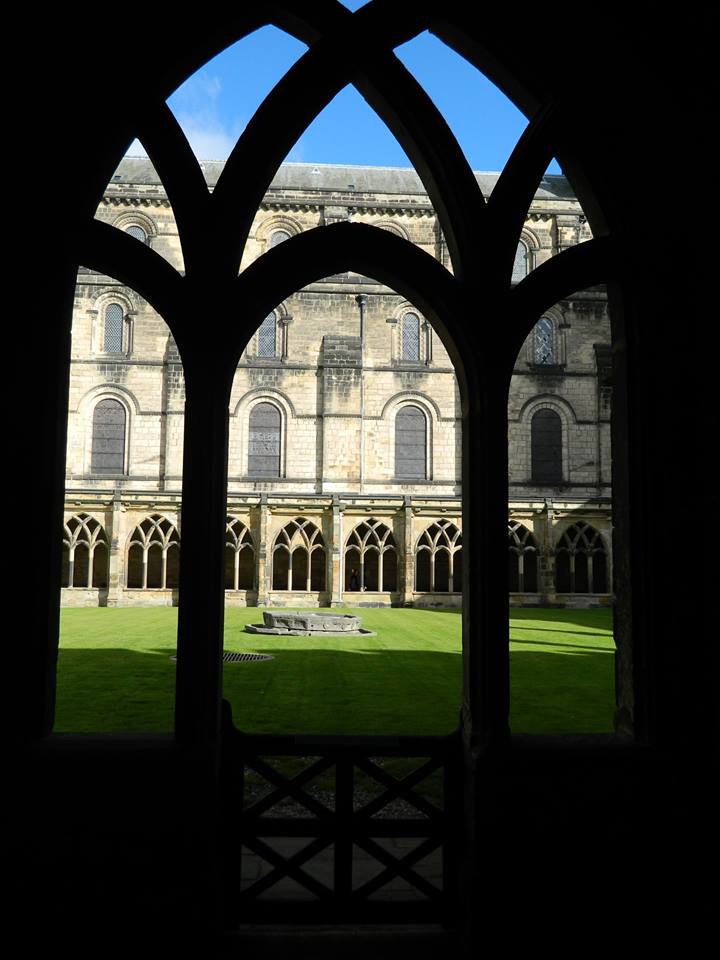
I was in the UK for a couple of conferences in Oxford, and then headed north through the ancient Roman and Viking site of York, the pilgrimage destination of Durham (breathtakingly beautiful), Newcastle (more Romans – this time in museums), and finally out along Hadrian’s Wall.

Durham Cathedral

Cloister at Durham Cathedral

So in a couple of weeks, I went from discussing life writing and celebrity with historians and writers, and then gender and love with academics from many fields, to researching three writing projects at once. And I walked a long way.

Hadrian's Wall

Hadrian’s Wall, near the village of Once Brewed

I also flew a long way, which not only gives a busy person plenty of time to catch up on movies and TV shows I’ve missed (Poldark! Agents of SHIELD!), but also endless hours to read.

Sadly, what you read at 3am somewhere over Albania after being awake for twenty hours doesn’t tend to stick in the brain for long, so I stuck to re-reading favourites on my Kobo.

But here’s what I’ve been reading or rereading since:

  • The Moor: Lives, Landscape and Literature, by William Atkins. Like taking a long walk with a thoughtful friend who points out details you’d otherwise miss.
  • The Paying Guests. Sarah Waters’ latest, and yet another novel perfectly evocative of time and place.
  • The Mystery of the Hansom Cab, by Fergus Hume, which I decided to re-read while I also delve into Lucy Sussex’s book about Hume and his book, Blockbuster.
  • Cloudwish by one of Australia’s finest writers of young adult fiction, Fiona Wood – yet another inspiring visit to her fictional contemporary world.

Now I’m onto Oxford, by one of my writing heroes, Jan Morris, which is just as wonderful as I expected, and keeps me laughing aloud at the antics of students and dons over hundreds of years and in delight at its perfect phrases and word choice.

Book cover of Oxford

Has she ever written a bad book? Or essay? Or travel story? I don’t think so. Every one is a treasure.


What have the Romans ever done for us?

Right now, I’m in the north of England and heading for Hadrian’s Wall.

I’ve always wanted to see it, and to walk its length. This time, I hope to walk along at least one stretch and look at some of the excavation sites. I’m researching Roman and Viking history here in the north for some future children’s books, and also writing about several key pilgrimage sites for Sublime.

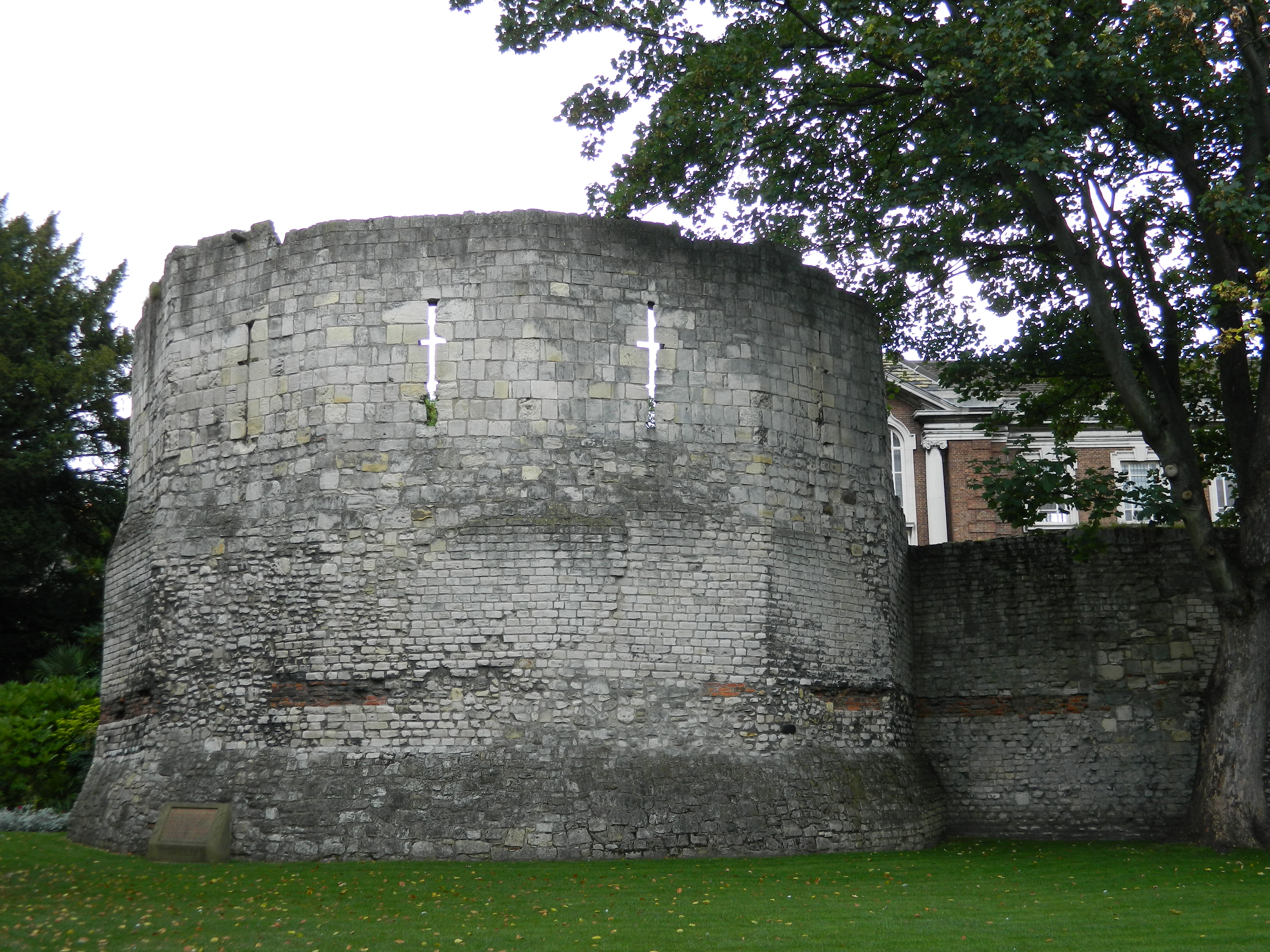
So I’m making my way toward the Wall from Oxford . I stopped in York , one of the most important Roman cities, base for both  Septimus Severus and Caracalla – Constantine the Great was declared Emperor here in 306, a long way from Constantinople. York was founded by the famous Ninth Legion in AD 71 – readers of Rosemary Sutcliff will be pleased to hear that York  Cathedral houses a rusted Eagle of the Ninth.

Multangular tower

The Multangular tower – the western corner of the legionary fortress 200 AD

Today I’m in Durham, founded by the Normans and one of the great sacred sites of Britain. Pilgrims have come here for centuries to visit the shrine of St Cuthbert. I’ll do that tomorrow. But today I made my own pilgrimage, to the other end of the gob-smackingly beautiful Durham Cathedral, to the grave of the Venerable Bede, “Father of English History.”

I think he might have played a supernatural scribe trick on me, because I left my notebook in the quire stall after Evensong.

Medieval painting of Bede

Very funny, Bede.


Learning to fly

About to start redrafting on 1917.

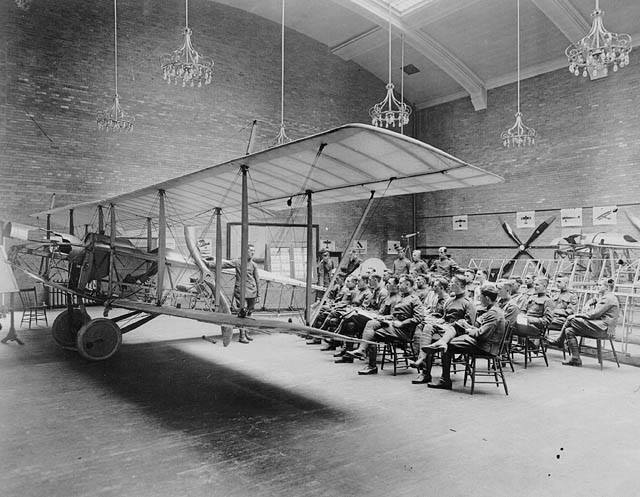
It’s partly about a young Australian lad who learns to be a pilot and flies on the Western Front during that terrible year in the First World War.

You might remember I spent a few weeks at Bundanon writing the first draft. Since then, I’ve edited that version, fixed up a few things here and there, and done another round of research on specific details.

But sometimes you need to let things sit for a while and marinate. Or fester. Or something.

Anyway, I’m ready to get back into it again.


Royal Flying Corps Aviator School

Royal Flying Corps Aviator School

Festival season

Melbourne Writers’ Festival is here again, with hundreds of amazing panels, workshops, talks and fun events.

I’m appearing as part of the fabulous schools program, talking with Jane Caro about re-imagining and writing history. It’s for school groups, so teachers and librarians, get those buses booked!

It’s on Thursday 27 August. Details here.

But honestly, if you’re in Melbourne, get along to something in the festival. I am certainly booked in to see Sarah Waters speak on 30 August.

Logo for MWF

There’s so much to choose from. Might see you there.


Coming up

I’m teaching a workshop at Writers Victoria in October, as part of the Writers on Wednesdays series.

It’s a Writers Toolkit workshop, perfect for people who want to learn some tips and tools to help research and write your masterpiece (or anything at all).

It’s on 21 October at 6pm. All details are here.


Misty mornings

It’s the last morning of my writing residency at Bundanon. I’m sitting with my coffee, looking down towards the billabong. Mist settles softly in the gully.

It’s a magic place, and it’s been a very productive time for me here.

I admit I was a bit frenzied, scribbling away for long hours. But it’s rare to get that opportunity – for me, anyway. I’m one of the many writers (the majority) who also have jobs and write in any cracks in time we can create.

I’ve written the first draft of 1917 – let’s call it draft zero, because it’s pretty ratty in places and needs many more drafts before it’s approaching readable. But it’s down on paper – well, in Scrivener – and out of my head and I know what happens to everyone in the end and now I can’t even look at it. I’ll print it out in a week or two, read it in full, and then start work on it again.

Then I did some work on a short story about a bushranger, for an anthology of adventure tales.  And at some point I sat on the river bank and wrote a little piece about fishing for another anthology.

Image of river

Shoalhaven River below Bundanon Homestead

Yesterday I even had a day off, checking out the Bundanon homestead with its miraculous collection of generations of Boyd family artworks, and then spent hours with dear friends and dogs at Culburra beach.

Image of homestead and trees

Bundanon Homestead – built 1866 and later home of Arthur and Yvonne Boyd

So next, it’s back to Canberra overnight, a few hours’ research at the National Library (and hopefully a glimpse of the Rothschild manuscript) and the long drive back to Melbourne and reality.

I’m sorry to leave, sorry to stop writing all day and night, sorry to have to wear clothes that aren’t topped by a dressing-gown, and most of all sorry to leave this place.

I’ll be back.

Image of trees and palms

Cedar walk, Bundanon