The day of the turtle

2 October 2021

Day two of Writing Nangak Tamboree.

Different site today – one that is familiar, and yet not. Nangak Tamboree waterway stretches through the campus where I work. I’ve been coming here – first as a PhD student and more recently as a lecturer – a few days a week, for years. But of course for much of the past two years, the campus has been closed except for critical research (keeping plants alive in greenhouses or lab work) and we’ve all been working and studying from home during lockdown. So I haven’t seen it much lately, and I certainly haven’t sat about scribbling.

Ours is a classic outer suburban campus, built in the 1970s on old farmland, with buff-brick buildings of an era anyone who studied at Monash or Macquarie will recognise. The site is dotted with magnificent old River Red Gums, landscaped beautifully, and also has another layer of life as a massive sculpture garden.
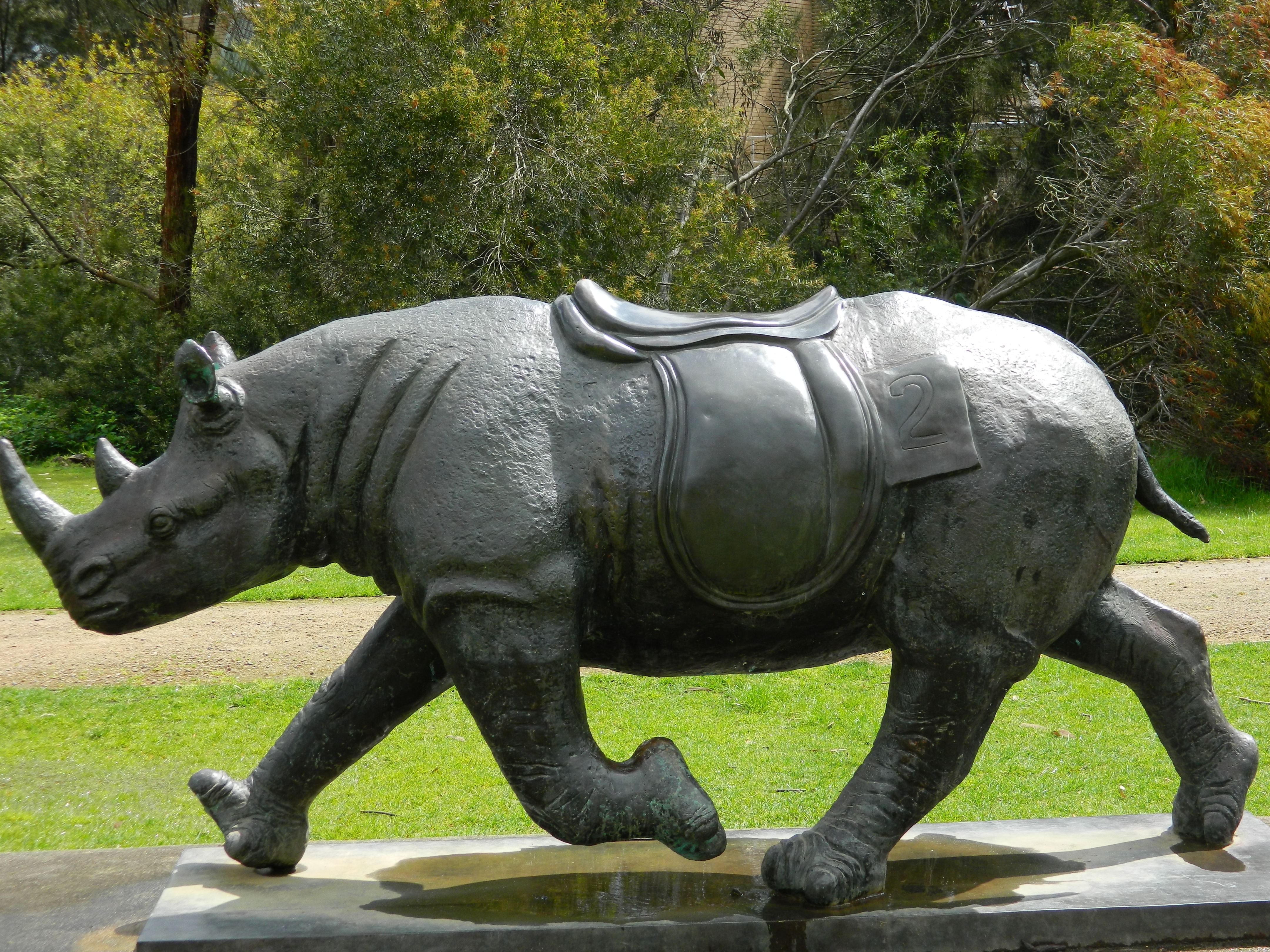
Statue of rhino
Run For Your Life, by Gillie and Marc 

But one of its most famous features is the Moat, which flows through to the lakes south of campus, circling the buildings and grounds. It’s the vital link in the waterways between Darebin Creek and Greswell nature reserve, and it is – normally – a legendary part of campus life. There’s an amphitheatre overlooking the moat, an annual Moat theatre festival, a running track alongside it, picnic tables and lawns and community garden, and different disciplines use it for applied work – studying water quality or aquatic life, regenerating plants or whatever those mysterious science people do, wading about with equipment and serious faces. In the early years, it used to host boat races and all kinds of high-jinks, but I think the water quality studies may have put paid to that. (I just made that bit up.)

It’s quiet today. It’s a rainy weekend, and anyway we’ve been locked down for months now, so there’s hardly anyone here most of the time. Some students are still living on campus and I feel for them – it is usually alive and filled with people, cafes open and the evenings filled with the thunk of tennis balls and distant laughter. But not now. I walk along the gravel path, slippery after the rain. There are a few cyclists, the odd jogger, all probably passing through from nearby suburbs.

path with beware of snakes sign

Here the water is edged, in some places with bluestone blocks, and guided on its way. I’m on the lookout for ducklings, but today they’re hiding. Coots scud along, heads bobbing back and forth like pistons. I creep up on a turtle warming itself on a rock – I think it’s an Eastern Long-Necked (or snake-necked) turtle, and I’m told they can walk for miles and miles.

Turtle next to water

This one has no interest in moving anywhere. Two more surface in the water nearby, and – at the risk of anthropomorphising them – kiss. Then all three spot me at once, and vanish, leaving me, and the water, and the sky.
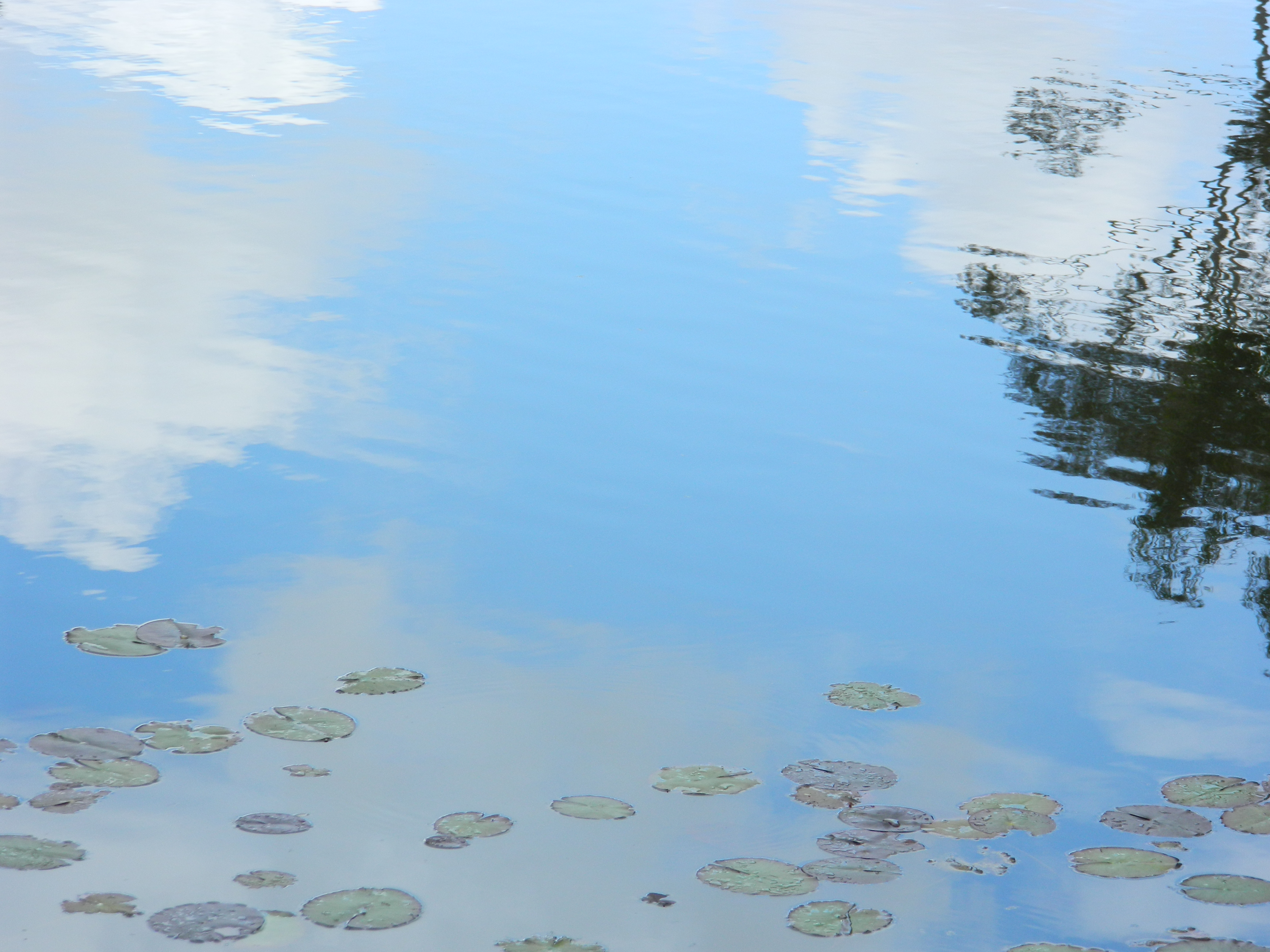
Not Monet’s waterlilies

New project: Writing Nangak Tamboree

We’re still deep in lockdown here. I’m OK with that if it saves lives and keeps our vulnerable communities safe.

I’ve got four books and three papers to finish writing, we’re all working from home, and teaching online (at present, anyway) takes three times as long. But we wouldn’t want to be bored, would we?

So.

I’m starting a new writing project. I don’t know yet how big it will be, or where it’ll go. It’s about water, and place, and walking in place – lately we haven’t been able to go more than five kilometres from home, although our circles are widening ever so slightly soon.

I’ve written more about it here. It’s called Nangak Tamboree.

So for the next month, I’ll be writing here more often and posting on Instagram, exploring in detail a place I normally charge by on my way to work.

Instead, I’ll be resting there a while, recording and scribbling, walking and watching.

Let’s see what happens.

Details, details

One of the hardest things to get right in historical fiction is the level of detail in your world-building. It’s true for most forms of writing – an abundance of detail can create immediacy, or a sense of accuracy, or make the world come alive for the reader. Or it can kill the book stone dead.

I’m always telling myself and my students to be more specific. And then I read a book or story that’s so full of specific detail in great slabs that I want to gouge my own eyes out with a teaspoon.

The other week I picked up a massive historical novel (set in Ireland) at the Little Library near the station, sat on the train and opened it randomly, said something like ‘Kill me now’ out loud, and dropped it off at the next Little Library ten minutes later.

No. No, no, no. We do love our research, but one of the biggest traps (we’ve all done it) is trying to include too many of our fascinating facts. Do not put everything in. Ever.  But that’s another story.

That said, I am spending much of my time at Falls Creek collecting details. I walk and I fossick around, and I take a million photos. Sometimes I am looking for a specific thing/place/artefact, and with others I’ll decide later whether or not it needs to appear on the page.

I have been a bit frantic for the past two days of this residency, and I think that’s partly because I didn’t know where in the Ovens Goldfields certain scenes in my bushranger stories would take place. I knew roughly. But I couldn’t place them. I couldn’t ground them. So yesterday, after a great deal of desk research, I took all my maps and re-visited Beechworth and Yackandandah, and decided on the very spot where my imaginary friends are now camping. So now I’m OK.

I have a few details I need to know (uncontaminated water supply, pasture for the horses?) . But they are the kind of detail nobody needs to know but me. They will probably never appear on the page. Or maybe – you never know – it will matter that the horses are hobbled well out of sight, or that the water is undrinkable. Dunno yet.

Here are just some of the little things I’ve been “collecting” – sometimes literally, sometimes on camera, sometimes just as a note. Sometimes I just wonder.

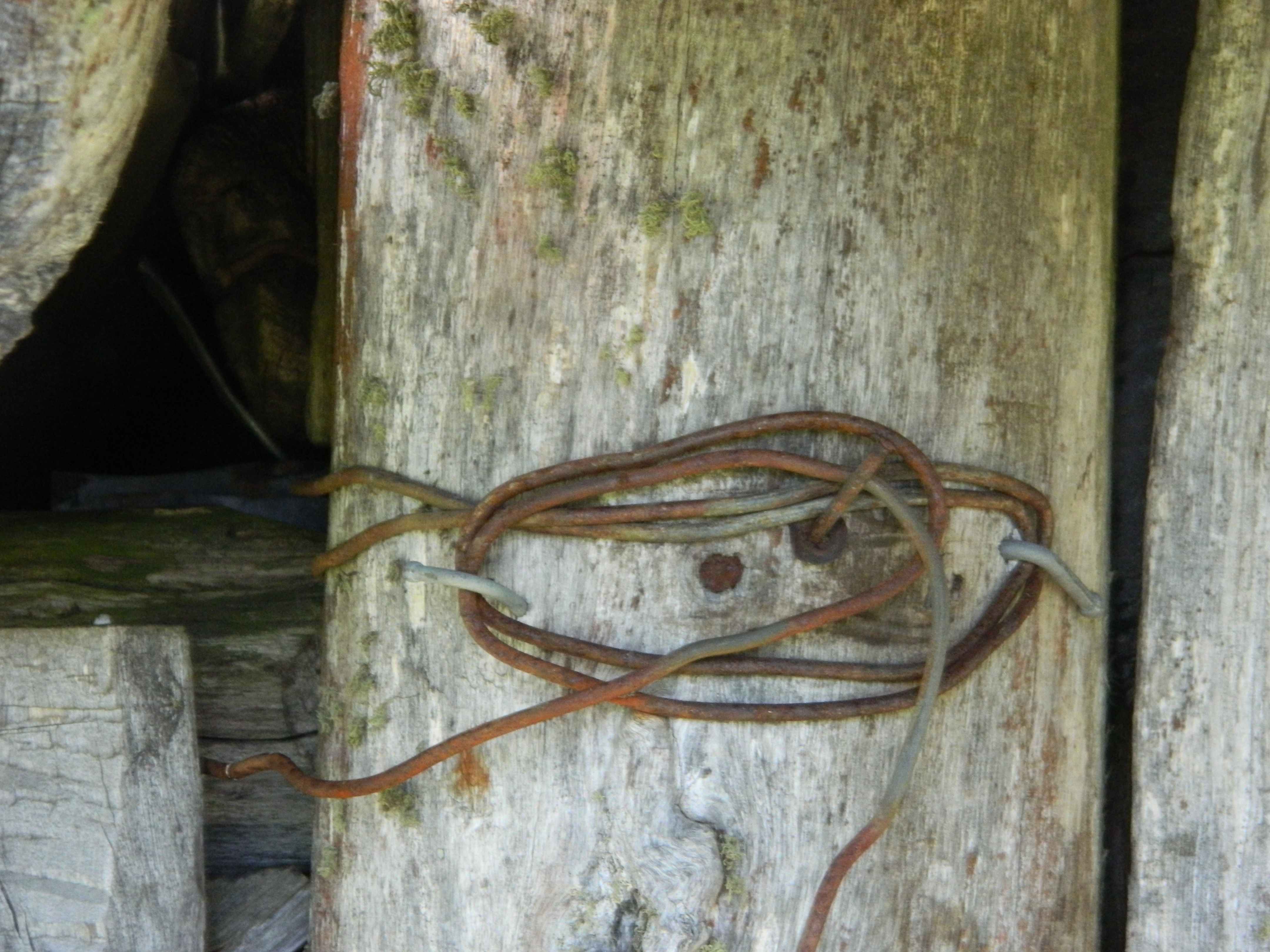
How did they build the early High Country huts?

Wire Fastening, Wallace Hut, Falls Creek

Fastening, Wallace Hut, Falls Creek

What’s it like to walk through clouds?

Snow gums, Falls Creek Village

Snow gums, Falls Creek Village

You know all that dirt they dug out and sluiced when looking for gold? What colour was it in each place? And where did it all go?

Tailings, Lake Sambell, Beechworth

Tailings, Lake Sambell, Beechworth

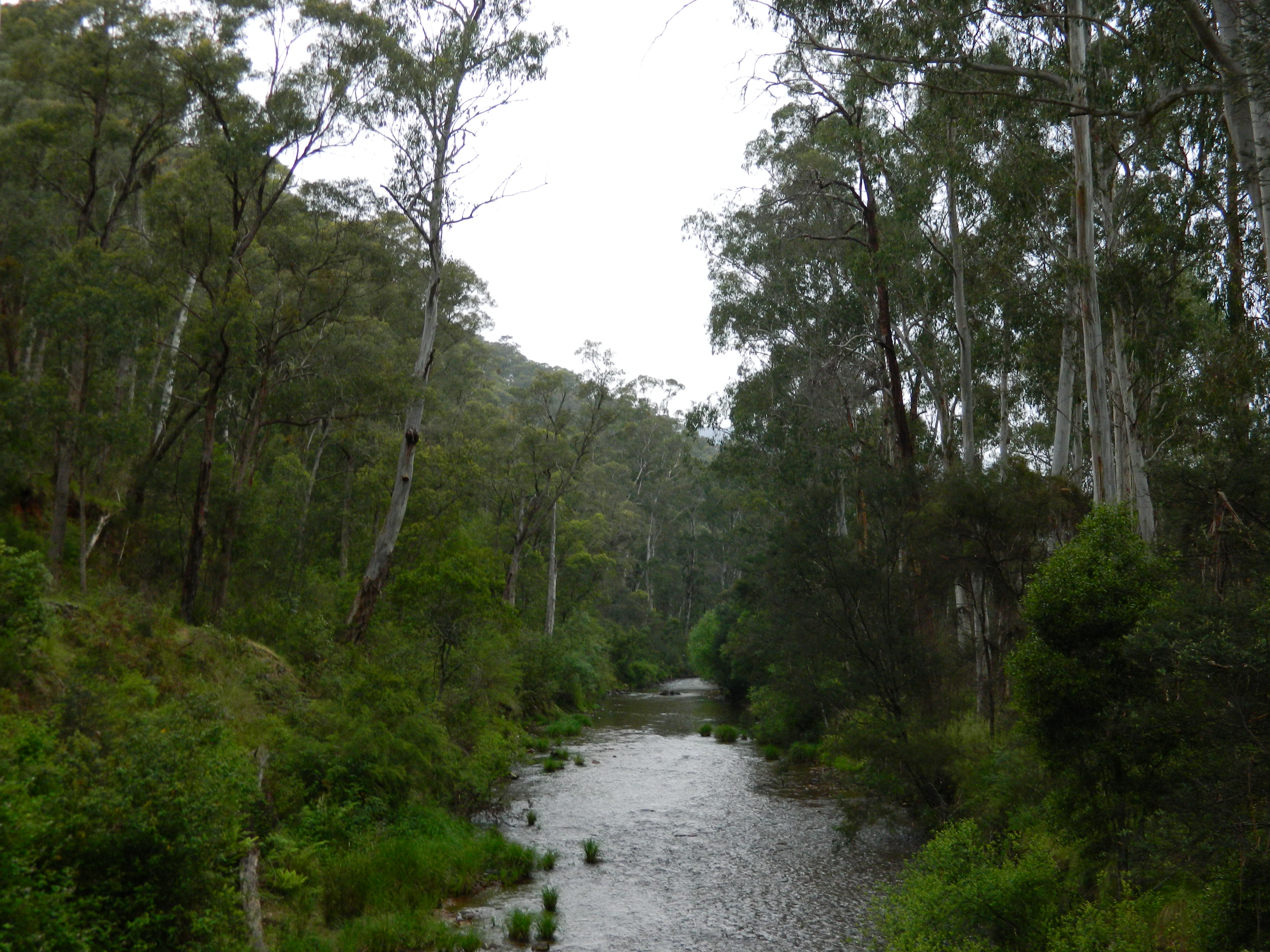
If I was living here with 3000 other people,  all engaged in digging up the river banks to look for gold, how would it feel? Can I see the mountains from down here, or just foothills?

Buckland River - diggings overgrown

Buckland River – diggings now overgrown

If I walk around the site of the Chinese camp, can I see any traces of the miners’ lives?

Fragments of Chinese crockery and (maybe) part of an old bucket.

Fragments of Chinese crockery and (maybe) part of an old bucket. Beechworth.

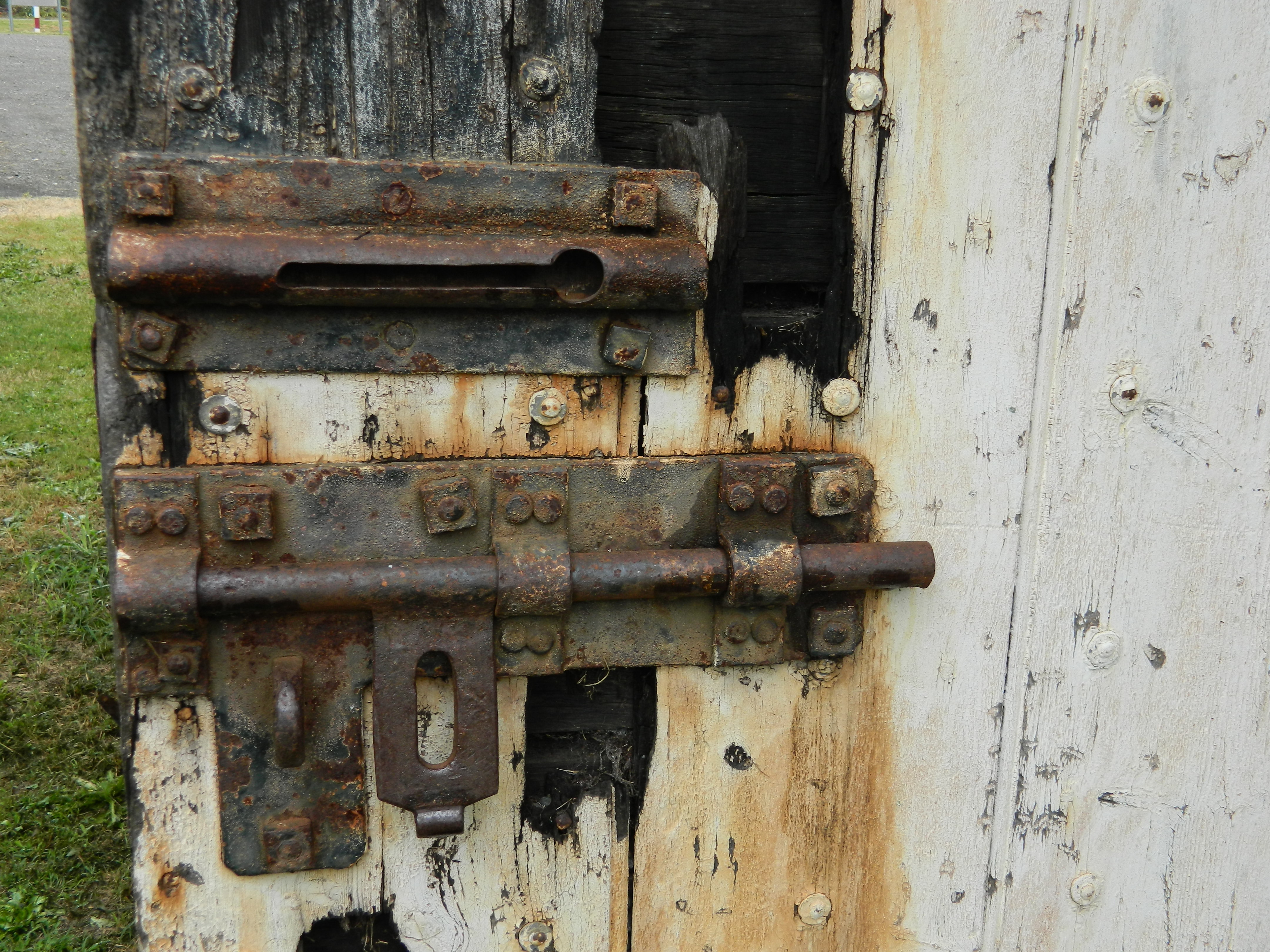
How secure, really, were those old timber slab police lock-ups?

Lock on the old lock-up, Bright

Old lock-up, Bright

What’s it like, crossing the High Plains when all the wildflowers are out? (And ooh, what’s all that purple stuff?)

Hovea montana, overlooking the Kiewa Valley

Hovea montana, from Falls Creek’s Aqueduct trail, looking back towards Ropers lookout.

Some details are essential to plot. Some help explain or develop character. Some details allow us to create atmosphere or ground the reader in a realist world. Some are embroidery.

It’s the balance between specificity and embellishment that’s the tricky part.

Lately I’ve been…

Walking. And thinking about walking. And reading about walking.

Writing about walking seems to be a major preoccupation nowadays, as it has been at different times in the past.  Interestingly, a lot of the current writing about walking is also about the literature of walking – the mapping of places and movement with words.

Of course, writing about walking is also writing about place and particularly landscape, and is a form of memoir, and so it is often about the intersections of self and landscape (or cityscape) and movement and memory.

I’ve been thinking about all this as part of my eternal Sublime project on travel, pilgrimage and place. But it’s all still very misty in my mind. You know that feeling when there are outlines just visible in the distance and you’re not quite sure how to draw them together? Just me?

Oh well.

Luckily, it also some of the best writing around at the moment.

Here’s what I’ve been reading:

Wanderlust, by Rebecca Solnit, whose A Field Guide to Getting Lost is also brilliant. A blend of memoir, reflection, politics, literary studies and the history of walking for recreation and well-being – that is, walking by choice rather than as the only means of transport.

When you give yourself to places, they give you yourself back; the more one comes to know them, the more one seeds them with the invisible crop of memories and associations that will be waiting for you when you come back, while new places offer up new thoughts, new possibilities. Exploring the world is one of the best ways of exploring the mind, and walking travels both terrains.

– Rebecca Solnit, Wanderlust


The Old Ways: A Journey on Foot and Landmarks by Robert Macfarlane – beautiful, lyrical and thoughtful writing on landscape, language and the paths we create.

The Moor: Lives, Landscape and Literature, by William Atkins, which I bought one day walking around London and thinking about the English landscape in particular, and the culture of walking in the countryside. (After I’d just walked along Hadrian’s Wall.)

Right now, I’m reading Rising Ground: A Search for the Spirit of Place by Philip Marsden, which is about exploring the sacred nature of places, mostly on foot and through story.

The compact between writing and walking is almost as old as literature – a walk is only a step away from a story, and every path tells.

– Robert Macfarlane, The Old Ways

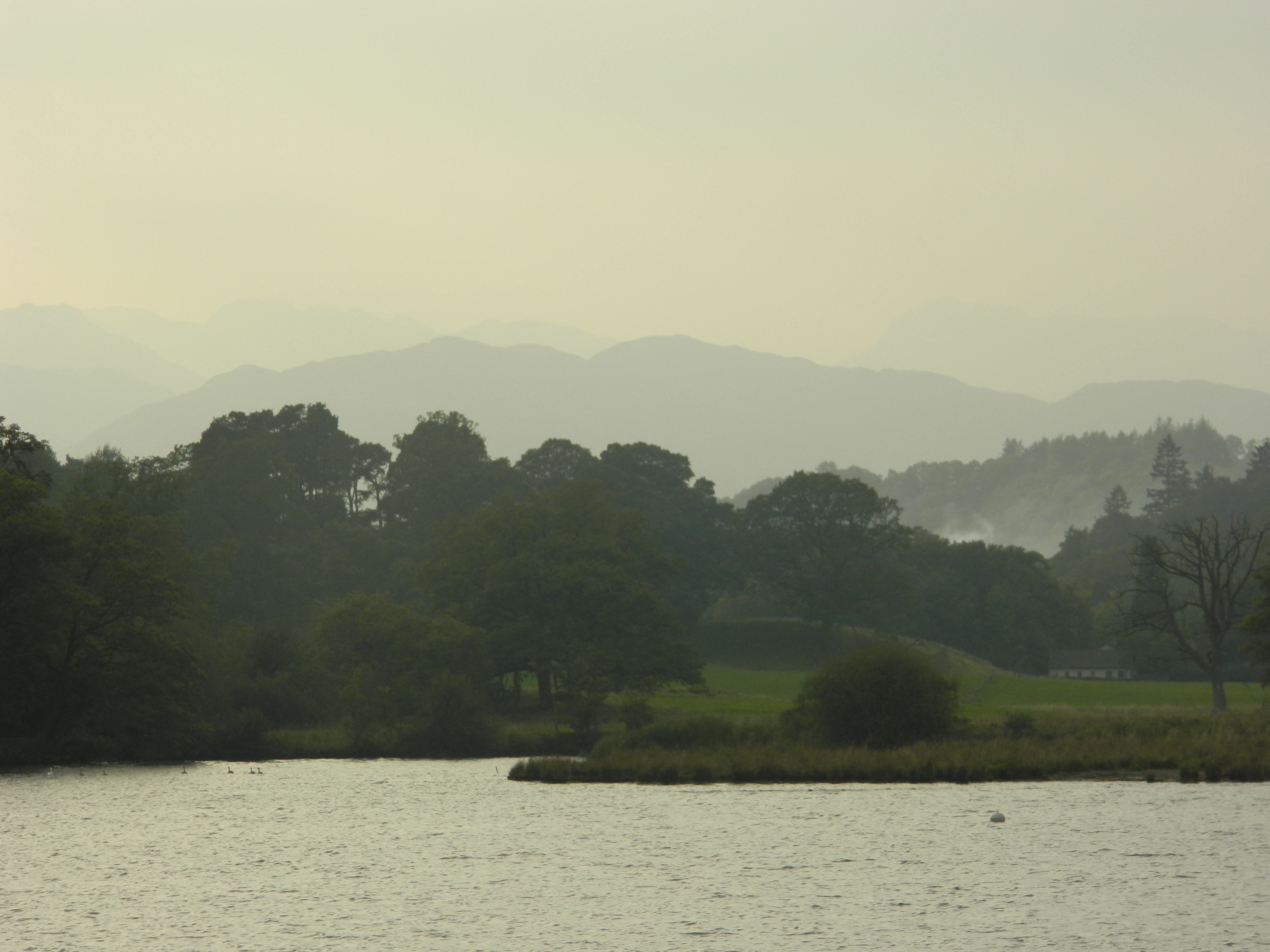
Mist over Lake Windermere: where the Wordsworths walked.

Mist over Lake Windermere: where the Wordsworths walked.