Details, details

One of the hardest things to get right in historical fiction is the level of detail in your world-building. It’s true for most forms of writing – an abundance of detail can create immediacy, or a sense of accuracy, or make the world come alive for the reader. Or it can kill the book stone dead.

I’m always telling myself and my students to be more specific. And then I read a book or story that’s so full of specific detail in great slabs that I want to gouge my own eyes out with a teaspoon.

The other week I picked up a massive historical novel (set in Ireland) at the Little Library near the station, sat on the train and opened it randomly, said something like ‘Kill me now’ out loud, and dropped it off at the next Little Library ten minutes later.

No. No, no, no. We do love our research, but one of the biggest traps (we’ve all done it) is trying to include too many of our fascinating facts. Do not put everything in. Ever.  But that’s another story.

That said, I am spending much of my time at Falls Creek collecting details. I walk and I fossick around, and I take a million photos. Sometimes I am looking for a specific thing/place/artefact, and with others I’ll decide later whether or not it needs to appear on the page.

I have been a bit frantic for the past two days of this residency, and I think that’s partly because I didn’t know where in the Ovens Goldfields certain scenes in my bushranger stories would take place. I knew roughly. But I couldn’t place them. I couldn’t ground them. So yesterday, after a great deal of desk research, I took all my maps and re-visited Beechworth and Yackandandah, and decided on the very spot where my imaginary friends are now camping. So now I’m OK.

I have a few details I need to know (uncontaminated water supply, pasture for the horses?) . But they are the kind of detail nobody needs to know but me. They will probably never appear on the page. Or maybe – you never know – it will matter that the horses are hobbled well out of sight, or that the water is undrinkable. Dunno yet.

Here are just some of the little things I’ve been “collecting” – sometimes literally, sometimes on camera, sometimes just as a note. Sometimes I just wonder.

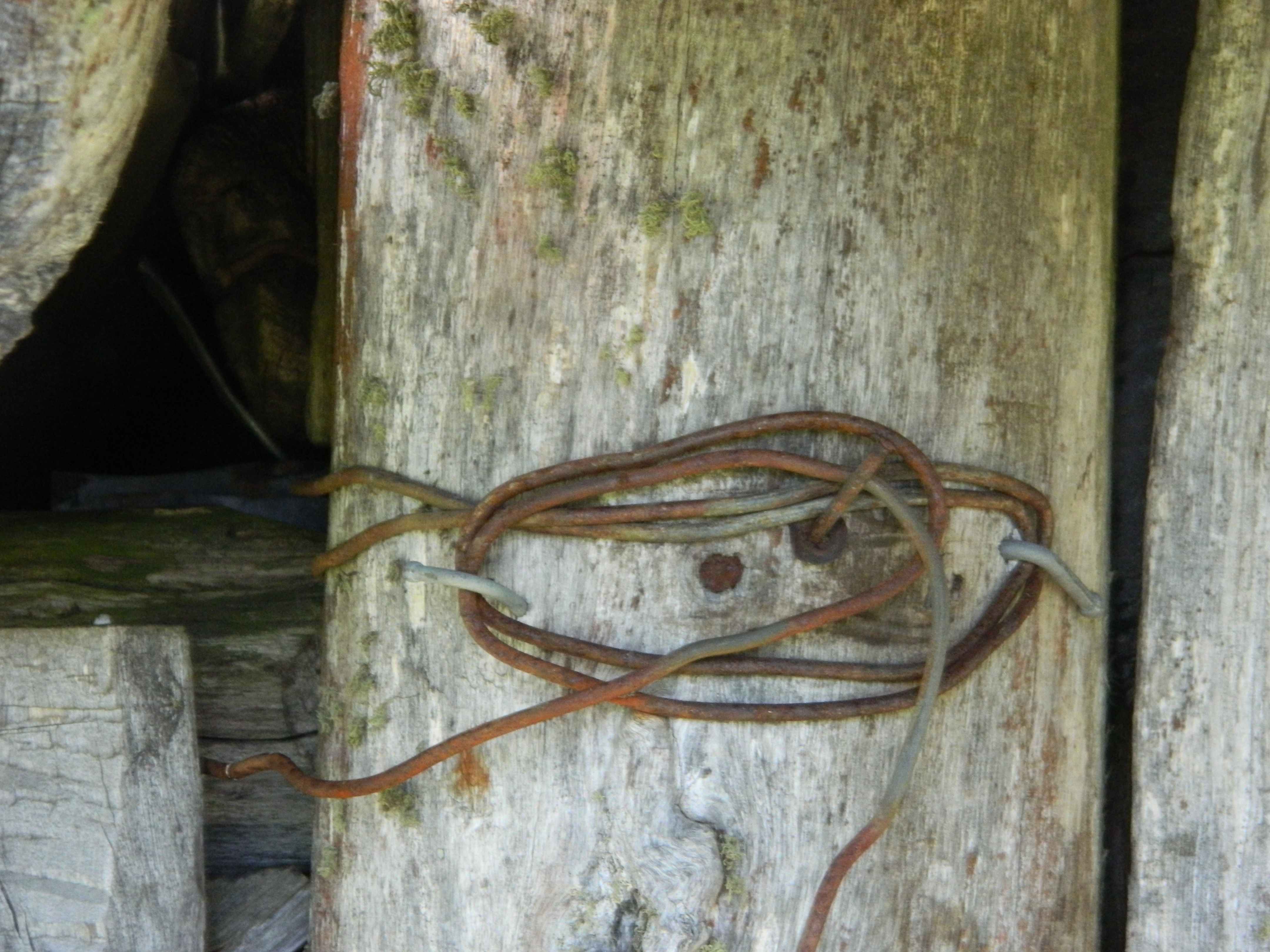
How did they build the early High Country huts?

Wire Fastening, Wallace Hut, Falls Creek

Fastening, Wallace Hut, Falls Creek

What’s it like to walk through clouds?

Snow gums, Falls Creek Village

Snow gums, Falls Creek Village

You know all that dirt they dug out and sluiced when looking for gold? What colour was it in each place? And where did it all go?

Tailings, Lake Sambell, Beechworth

Tailings, Lake Sambell, Beechworth

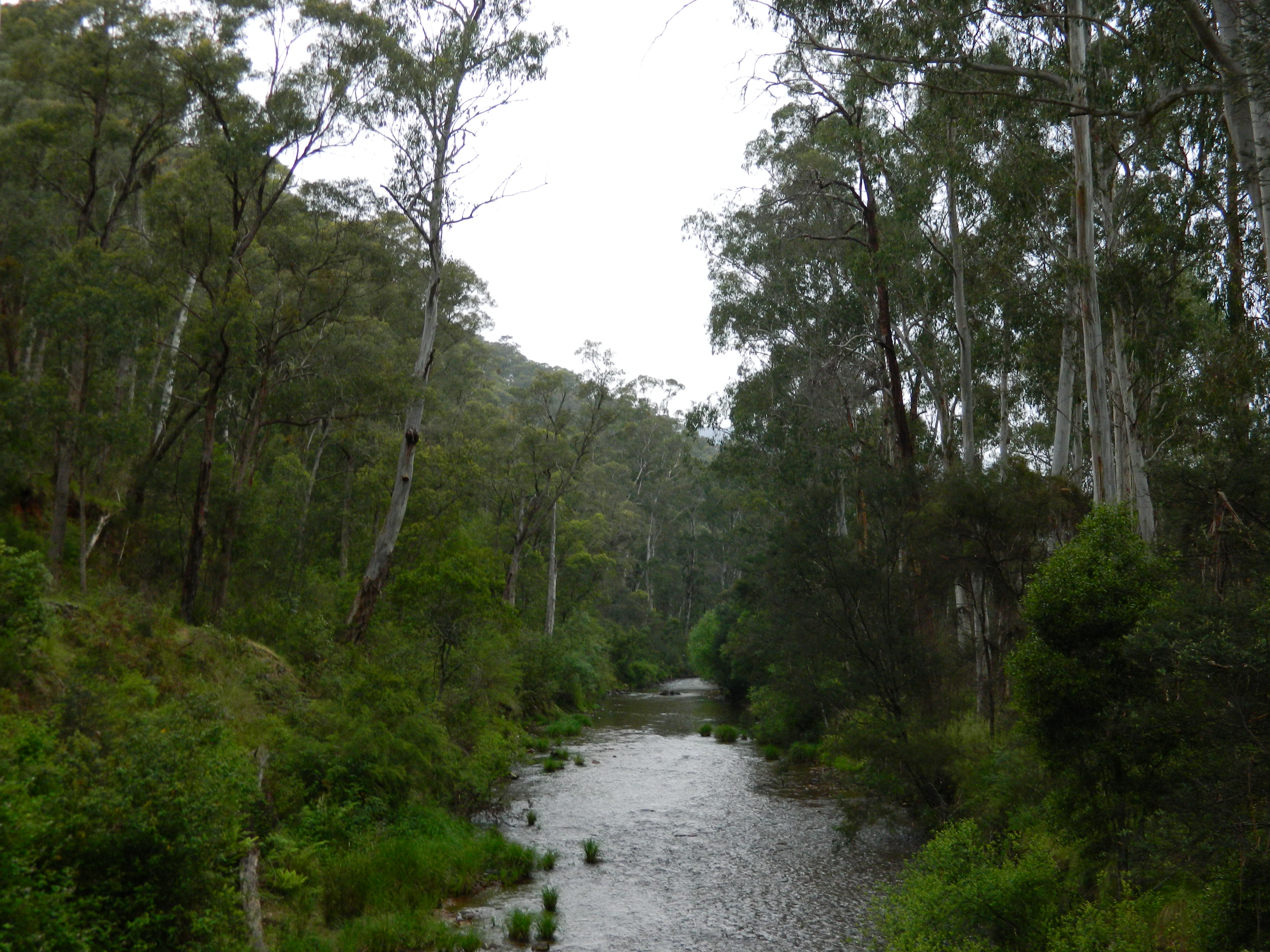
If I was living here with 3000 other people,  all engaged in digging up the river banks to look for gold, how would it feel? Can I see the mountains from down here, or just foothills?

Buckland River - diggings overgrown

Buckland River – diggings now overgrown

If I walk around the site of the Chinese camp, can I see any traces of the miners’ lives?

Fragments of Chinese crockery and (maybe) part of an old bucket.

Fragments of Chinese crockery and (maybe) part of an old bucket. Beechworth.

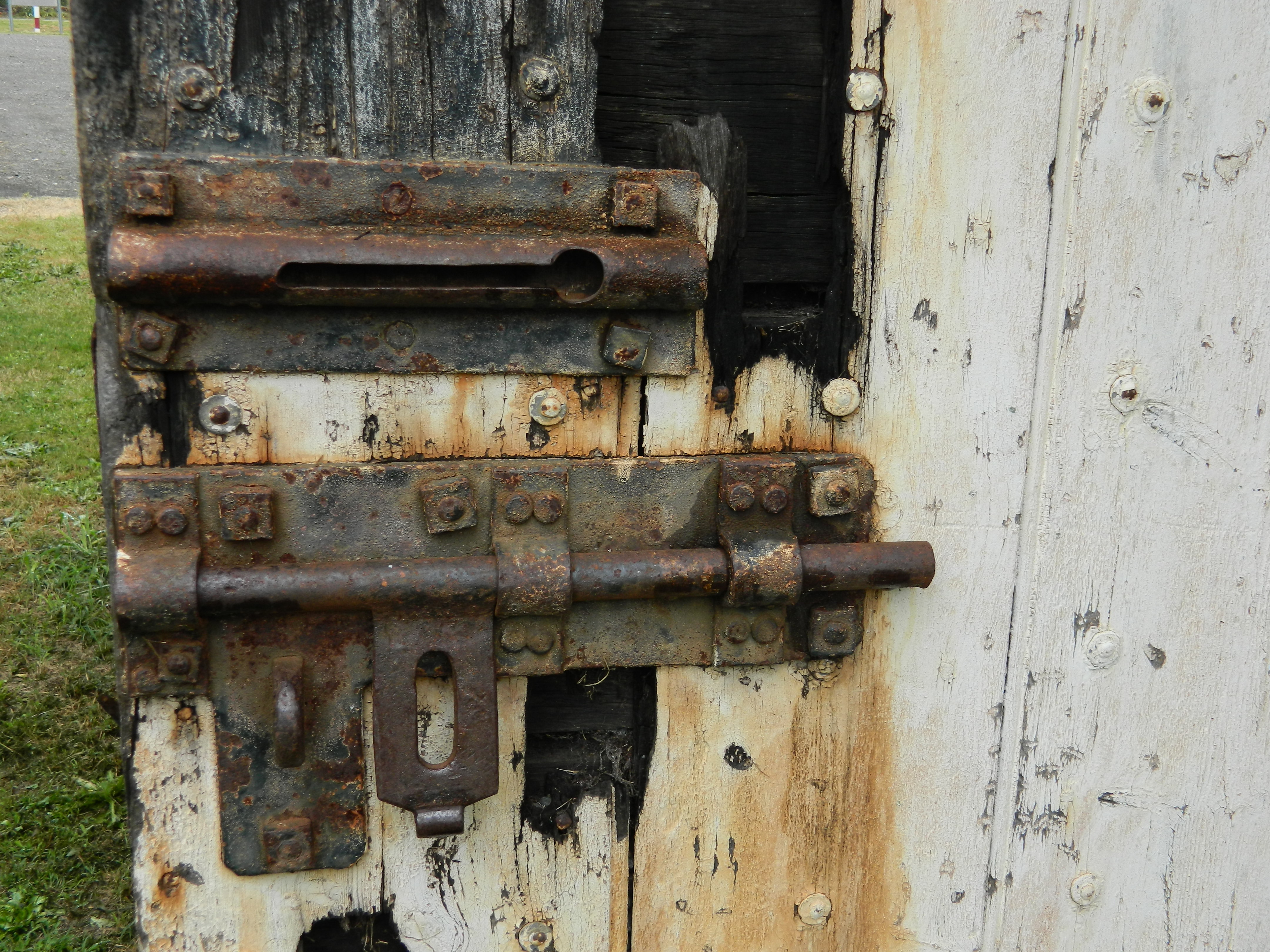
How secure, really, were those old timber slab police lock-ups?

Lock on the old lock-up, Bright

Old lock-up, Bright

What’s it like, crossing the High Plains when all the wildflowers are out? (And ooh, what’s all that purple stuff?)

Hovea montana, overlooking the Kiewa Valley

Hovea montana, from Falls Creek’s Aqueduct trail, looking back towards Ropers lookout.

Some details are essential to plot. Some help explain or develop character. Some details allow us to create atmosphere or ground the reader in a realist world. Some are embroidery.

It’s the balance between specificity and embellishment that’s the tricky part.

Historical fiction podcast series

Had a fabulous time recording this series of interviews with authors of historical fiction, as part of the lead-up to our big historical novel conference in September.

Imagining the Past is presented by the Historical Novel Society of Australasia,  and produced by the good folk at Swinburne University (thanks team – they even composed the music!).

You can hear me chat to:

Here’s the conversation with the lovely Kate Forsyth:


The conference runs from 8-10 September,  at Swinburne’s Hawthorn campus, with these great writers and many, many others – you can see the full programme here.

For anyone interested in learning to use Scrivener, I’m running a workshop on the Sunday (10/9) to introduce people to this wonderful software for writers – and there are a whole lot of other workshops too, on topics from research to armour (how cool is that?).

There’s also an academic stream, including a panel on biofictions.

Hope to see you at the conference.

Coming up

March is a busy month.

But what fun.

I get to chat with my old mate Kate Mildenhall about writing 1917, and especially about the research and writing about war and politics for young readers. That’s a special event for teachers and librarians at Readings Books in Hawthorn on 7 March 2017. Details and bookings here.

But that’s not all.

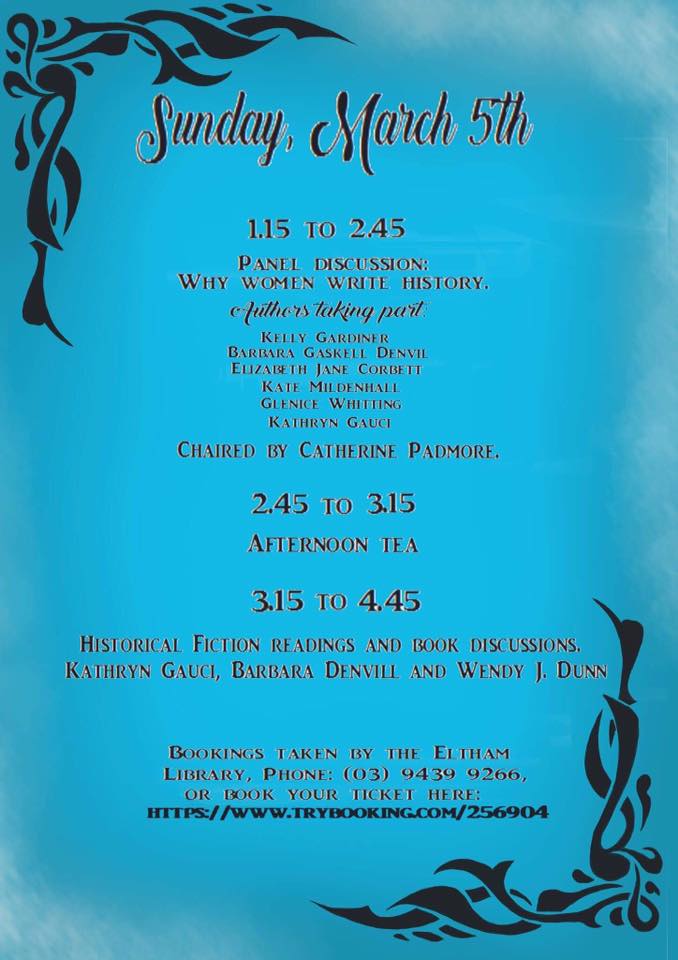
It’s Women’s History Month, and there’s stacks going on, including a whole program of events based around Eltham.  First up is a full day of discussion about writing history and historical fiction, starting with a panel (Oh look! Kate again)  on why women write history on 5 March.

780c9281-48a8-464a-859d-af1f2e0a7fb5-6469-000005f78a9b7621_tmp

There are events every weekend, and then I’m back again in Eltham for a debate on 25 March on the powerful and different ways that nonfiction and fiction tell the stories of the past, and why women are so good at telling these kinds of stories. The panel includes:

  • Professor Josie Arnold
  • Barbara Gaskell Denvil
  • Glenice Whitting
  • Me.

Details of all the events for Women’s History Month at the gorgeous Eltham Library are here.

But that’s not all.

I’m hosting a discussion on researching and writing biography on 21 March at State Library Victoria (I’m lucky enough to work there). I’ll be talking with Minna Muhlen-Schulte  and Sandra McComb about their work in history and biography, and particularly their new articles in the La Trobe Journal.

And then the very next day, Unladylike podcast records live for the first time, as part of the Castlemaine State Festival. Unladylike co-host Adele and I will be interviewing Lynne Kelly and Robyn Annear about writing nonfiction – how they manage to convey incredible detail and knowledge for their readers.  That’s on 22 March in beautiful Castlemaine.

Phew! Well, we wouldn’t want to sit still for too long, would we?

Writing the war

Among the many decisions we make when writing for young readers are creative and ethical decisions about violence and grief.

I’ve always been very conscious of how to treat scenes like swordfights or battles in fiction for young readers. It’s not that I shy away from the reality of violence – quite the opposite. I feel like I have a responsibility to think about how to present it honestly, and not just as a big, mindless adventure (not that there’s anything wrong with that, it’s just a different type of book).

So say a kid had their first swordfight. Say they were just a little bit older than the reader – twelve or thirteen, maybe, facing off against a grown man. It’s all very exciting, and I make sure it’s an action scene with plenty of – ahem – punch. But then I wonder, if that was you, and you’d just actually stabbed someone, wounded someone, drawn blood for the first time in your life, how would you feel? Say you’d been chased by a baddie all over the Mediterranean, and finally came up against him in a duel on the clifftops and he ended up dead. How would you feel? Even if you were a pirate?

I made certain decisions about how to present fighting and battles in the Swashbuckler series, then how to present torture and loss in Act of Faith and The Sultan’s Eyes. (That makes them all sound terribly grim. I promise they’re not.)

But writing about war, in particular writing about the First World War, in 1917 presented a different set of challenges. How do you explain shell-shock to a reader aged ten? How do you present the war in the air without glorifying the aces and ignoring their casualties? Which of your characters will survive? (It’s the Western Front. They can’t all make it through unscathed.) How do you convey the intense grief of those whose best mates or loved ones were killed or wounded or missing?

How do you do all that without it becoming unbearable for the reader?

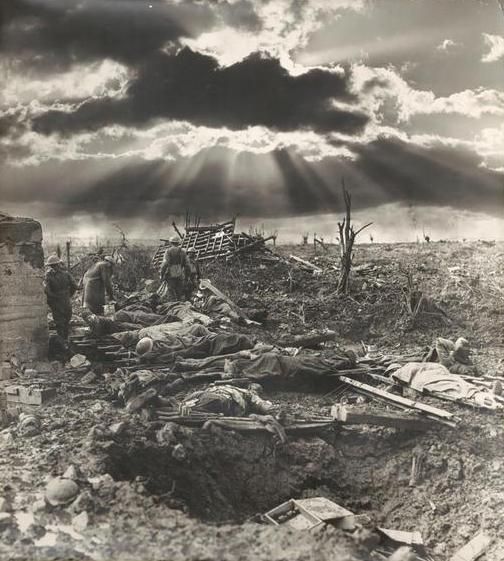
Battleground with wounded

Frank Hurley’s famous photo of the morning after the first battle of Passchendaele, 1917 (Source: ABC/NLA)

The life expectancy of a pilot on the Western Front in 1917 was just a couple of weeks. They lived in a state of heightened tension and with impending doom, as did the men in the trenches. They could never explain it to the people at home. Their letters home are often totally different to their diary entries, or the oral histories recorded years later. On the other hand, the newspapers were filled with stories about dashing flying aces and their kills, as if each kill was just a number, not a human being.

How do you write a war?

Well, I hope I’ve managed to balance the needs of the reader with the pleading voices of the past.

We’ll see.

Any day now…

My new book comes out in a few weeks.

1917 is part of the Australia’s Great War series  by Scholastic.

When I was asked to be part of the series by publisher Clare Hallifax, I knew immediately what I wanted to write: a story about a pilot whose family is opposed to the war – or at least, opposed to conscription.

RE8 plane

An RE8, as flown by 3 Squadron, Australian Flying Corps (Source: AWM)

1917 was seen by so many people as one of the worst years of the war. The losses on the Western Front were horrendous, ANZAC troops were involved in shockingly brutal encounters like Bullecourt and Passchendaele, and on the home front there were strikes and food shortages and arguments about the second plebiscite on conscription. Women’s roles were changing, new technology made warfare unlike anything ever witnessed before, and the war itself seemed to show no signs of ending.

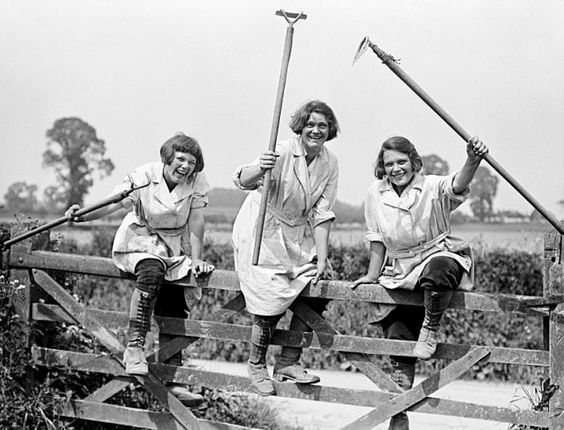
Yung women on a farm gate

Young women helping out on a farm (Source: Telegraph UK)

My own family was involved in those conscription debates,  so I grew up with stories about the huge rallies through the streets of Melbourne, and my fire-eating great-grandmother. But my grandfather (who was only little during the war) was obsessed with planes, and joined the Flying Corps as a mechanic as soon as he could, well after the war. I never understood how one family could reconcile those two things. But they did. I guess.

Anyway, 1917 is kind of but not really about them, and more about the many people like them who were worried sick about sons or daughters at the Front, but also affected by everything that was going on at home and struggling to make ends meet.

The main characters are invented, but plenty of real people make appearances, including activists Vida Goldstein and Adela Pankhurst. It’s set on the Western Front – in Flanders, here in my own suburb of Coburg, as well as Point Cook air base, Mordialloc Women’s Farm, the orchards of Box Hill, and pilot training bases in the UK.

You can read more about the book here. It’s written for readers 9 and over.

I do hope you like it.

Where do you get your ideas?

People often ask writers where we get our ideas.

I suppose some people might know, but I don’t. As Emma Donoghue once said,  it’s like asking how you got a cold.

Sometimes, of course, I hear a story or a snippet from history that makes my arms go all goosepimply and I scribble it down or bookmark the page and stash it away for later.

But this morning, for example, I woke up with a sentence in my mind.

‘You can’t hide out forever.’

By the time I had showered and made the coffee, I had the first few moments of a new story in my head.

I know from bitter experience that if I don’t write it down immediately, it might be gone by lunch-time. If I have to rush off to my day job, go to meetings, return emails, and write things that are not anything to do with stories, then it vanishes.

So I sat over breakfast and typed it all out.

A few months ago, I was asked to write an adventure story for Clandestine Press’s new And Then anthology. So I wrote ‘Boots and the Bushranger’, a ripping yarn about two young women who become outlaws in the wild days of Victoria’s Gold Rush. (You can pre-order the anthology here, right now, for a limited time, and you probably should because it is going to be awesome.)

I fell a bit in love, I admit, with the two characters, with researching the world of the goldfields, and with a whole lot of other story ideas that emerged through the research. I’ve always loved that country around Castlemaine. And I’ve long wanted to try my hand at historical crime fiction.

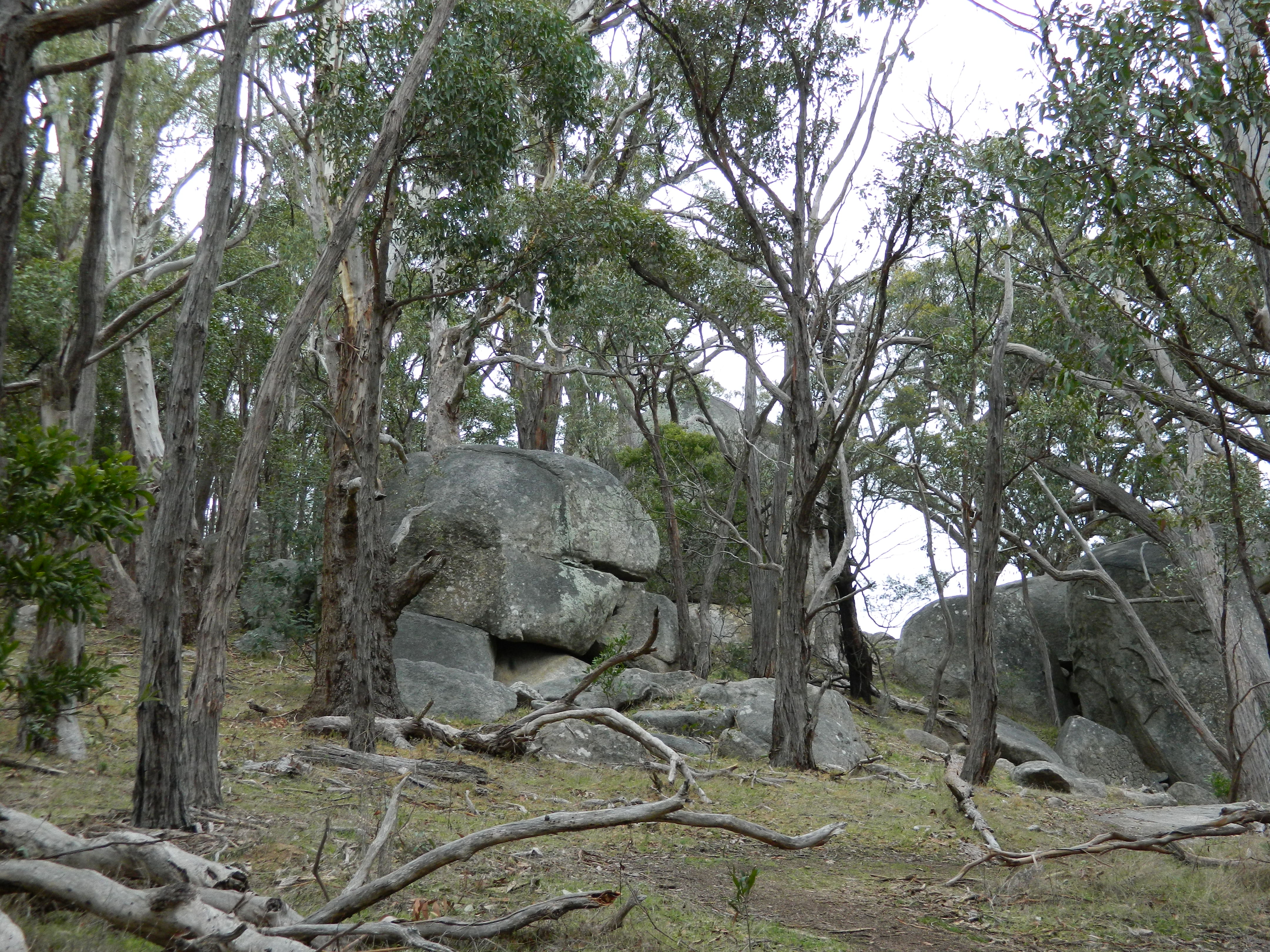
Image of rocks on Mt Alexander

The spot where I imagined Boots and the Bushranger made their last stand.

So I developed a vague plan – let’s call it a fancy – to write more stories about them, more short crime stories like those of the late nineteenth century, many of which were about feisty and smart young women. Although the stories from that era we know now are more likely to be about a certain middle-aged, eccentric chap, at the time, Sherlock Holmes had fierce rivals such as Hilda Wade and Miss Cayley  (you can read an article I wrote about them and other plucky girls in the Australian Journal of Crime Fiction).

And I like the genre – the sketching of character, the continuing and rich world, the short episodic stories that each tell a tale but also build up our sense of character and place, the odd couple of detective and chronicler – but, being me, I want to subvert it.

So this morning, Boots and her bushranger popped back into my head, unannounced, because after all, you can’t hide out forever.
It might not go anywhere. It might not even end up in the story I eventually write.

But it’s a start.

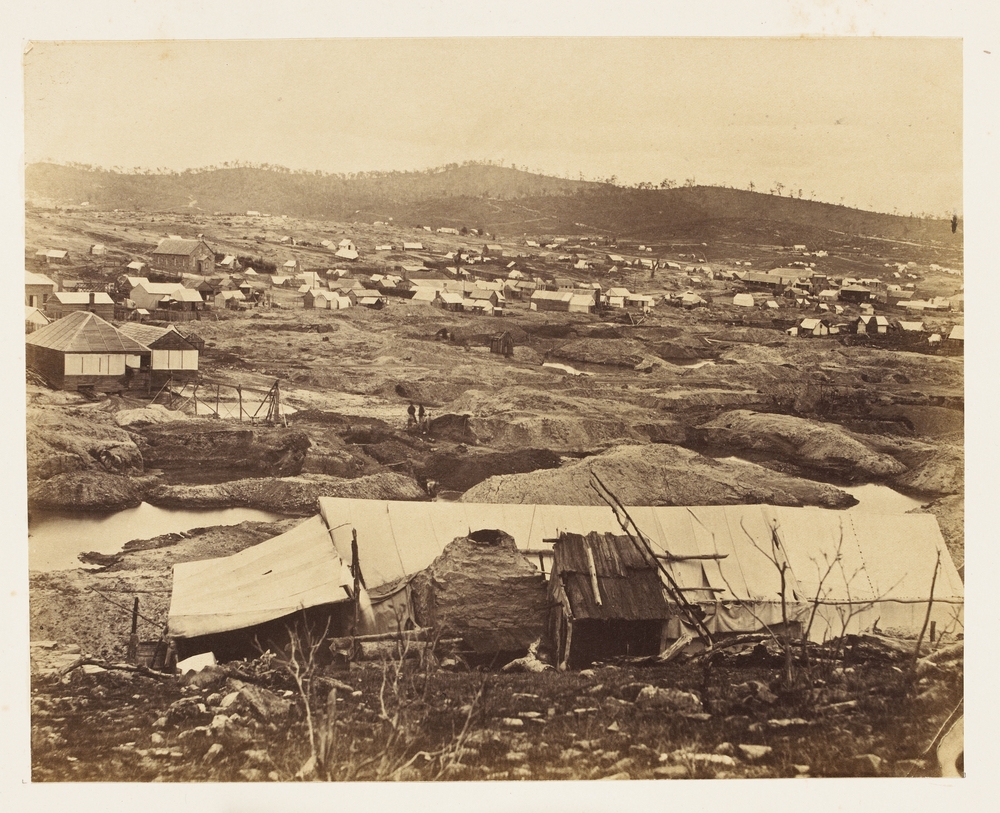
1858 etching of gold mining

The Goldfields – Old Post Office Hill, 1858

Festival season

Melbourne Writers’ Festival is here again, with hundreds of amazing panels, workshops, talks and fun events.

I’m appearing as part of the fabulous schools program, talking with Jane Caro about re-imagining and writing history. It’s for school groups, so teachers and librarians, get those buses booked!

It’s on Thursday 27 August. Details here.

But honestly, if you’re in Melbourne, get along to something in the festival. I am certainly booked in to see Sarah Waters speak on 30 August.

Logo for MWF

There’s so much to choose from. Might see you there.


Coming up

I’m teaching a workshop at Writers Victoria in October, as part of the Writers on Wednesdays series.

It’s a Writers Toolkit workshop, perfect for people who want to learn some tips and tools to help research and write your masterpiece (or anything at all).

It’s on 21 October at 6pm. All details are here.


Write like a girl

I’ve been thinking a lot lately about the ways in which historical fiction is gendered. I’ll need to write something longer on this but in the meantime, a few thoughts and questions:

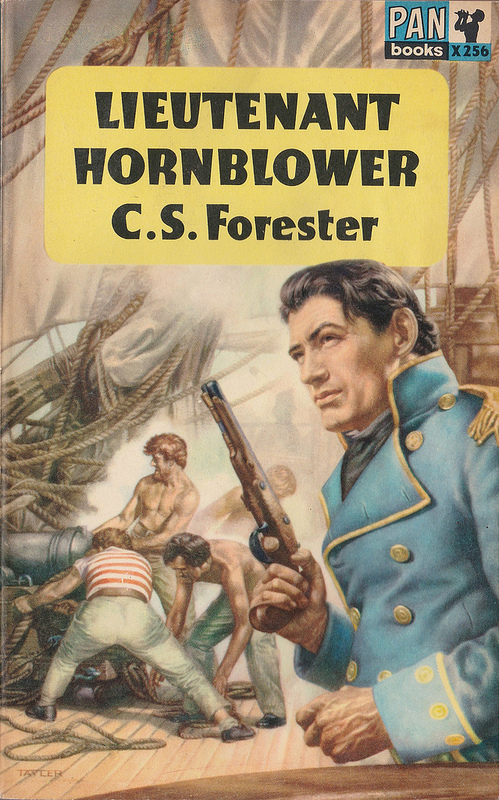
  • We know that there are huge and apparently distinct markets for historical fiction aimed at men (eg military, nautical, crime) and women (eg … oh look, I could list the sub-genres, but it’s basically any novel with a woman in it).
  • But we also know from research about childhood reading that girls and young women read books marketed to boys, while boys tend not to read books marketed at girls and young women. (Yeah, I know, not all boys. But it’s a thing. There’s science. What we do about that and how we talk about it is a different topic.)
  • Assumptions about the historical fiction marketed to (and perhaps written for) women affects our reading. I am a woman who writes books with female protagonists. So, I am asked, where is the romance? * Readers enter a book with a gendered idea of what they will find there.
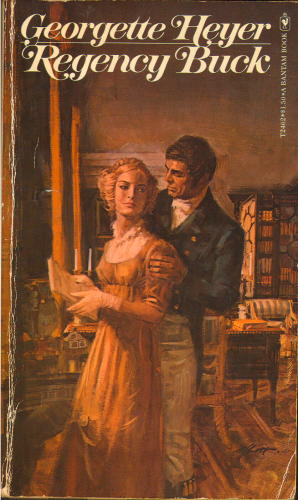
  • A book with a woman on the cover apparently can’t be literary fiction set in the past. It must be some other sub-genre that fits under the grouping of ‘women’s writing.’
  • This is also partly about attitudes to the genre. Historical fiction is a sprawling territory, from the formulaic to the experimental, with dozens of sub-genres and boundary-slipping soft edges. Lots of people see it as only one thing, which it hasn’t been for at least a hundred years.

Book cover of Regency Buck

I could bang on about gendered marketing and no doubt I will at some point, but what I wonder right now is: how much is marketing (including book design and packaging), how much is literary tradition or genre definition, and how much is imagined – and by whom? Writers, readers, publishers, PR and marketing people, reviewers?

What impact does all this have on the books we write and the way we read?

Do some authors write specifically for a gendered market – and succeed wildly? (That’s a rhetorical question. The answer is YES.) And what does that mean for expectations of the genre more broadly?

What does it say about the development and the future of the genre in all its forms?

I’ve said before that all my books are acts of subversion disguised as historical fiction and now I’m becoming even more interested in subverting the genre and the expectations around it. Career-limiting move, I expect. But what fun.

Book cover of Hornblower

And now, for your reading pleasure, some thought-provoking insight and information from others.

Jerome de Groot’s The Historical Novel both attempts to address some of these issues, but then also includes chapters on books for women and books for men, and accepts the marketing definitions – so books for women are mostly romance, for example, (including Tudor books) without any consideration of historical crime or fantasy or fiction based on a proto-feminist protagonist outside the marriage plot. I find that troubling (a bit like his hilarious suggestion that The Resurrectionist is the first novel by an Australian to be concerned with histories other than our own). But he does write:

Historical novels by women and for women, then, whether romance or more literary, have often been dismissed by literary critics and marginalised by standard accounts, but there is a weight of argument that suggests this is an error: ‘historical fiction has been one of the major forms of women’s reading and writing in the second half of the twentieth century’ (Alison Light, 1989: 60) […] women writers have used the historical novel to express multiple, complex identities and used them as sites of possibility and potential.

In that influential article by Alison Light to which he refers, ‘Young Bess’: Historical Novels and Growing Up,’ she argues:

At best popular historical novels may have helped open up a space within which different groups of women have started to perceive how marginal their needs and concerns have usually been taken to be. They offer a number of new perspectives on the past, which sit less easily alongside text-book history.

And finally, Mary Tod’s annual historical fiction survey found the following (last year):

Within historical fiction, what type of story appeals to you?

Top three for men: fictional characters within a backdrop of great historical events 74%; adventure 66%, stories with a military, naval angle 51%

Top three for women: fictional characters within a backdrop of great historical events 71%; romance 44%; the life of a significant historical figure 40%. For women, two other reasons come close to the 40% figure suggesting that preferences are more varied.

Sources:

Jerome de Groot, The Historical Novel, Routledge, Milton Park, 2010, p 67.

Alison Light, ‘Young Bess’: Historical Novels and Growing Up’, Feminist Review, 1989, Vol.33 (1), p 57.

* Sometimes there is romance in my books, sometimes not. Sometimes there is love, rather than the lead-up to love (romance plot). Sometimes there is the opposite. Sometimes it may not be what you expect.

On that whole ‘relatability’ thing

Painting - St Catherine reading

Somehow in recent years, the idea has taken hold that characters – especially protagonists – in novels have to be ‘relatable.’ I blame Stephanie Meyer. She created the character Bella in the Twilight trilogy as a blank canvas onto which her teenage readers could project themselves; an audience surrogate that appealed to an audience of around 120 million.

Thanks for that.
So an entire generation of young women, in particular, has grown up with the idea that girls in novels should be just like them, even when surrounded by brooding vampires.
Many of those readers go on to read books by authors who construct powerful or difficult or troubled or hilarious female characters, and come to realise that a blank canvas is pretty, well, blank. To be fair, some writers have also argued that Bella is actually a feminist role model:
Bella is more or less modelled on the traditional fairy tale hero [not heroine], as her eventual accession to a type of monarchy is characterized not by humiliation, but rather by her gaining qualities that enable selfgovernance.
–  Meghanne Flynn
But whether or not it’s reasonable to blame Twilight (and I was being just a little facetious), I still hear and see so many comments that this book is so relatable or that book is not, and therefore no good. I just can’t relate to anybody in it.
On the other hand, in historical fiction, you will hear and see lots of emphasis on ‘authenticity.’ This somewhat mystical quality transports the reader into an imagined past and provides them with an experience that’s just like being there. Or something.
If you think these two things are possible and desirable, there’s an obvious tension here. On one hand, an ‘authentic’ figure from the distant past is very unlikely to be someone to whom a modern reader will relate – unless of course the reader projects madly onto that character, in which case the veneer of authenticity is smashed.
But do not fear, gentle reader, because I’m here to help. Kind of.
Both ideas – especially when they are framed as rules – bring trouble and strife to the act of reading, and possibly writing.

Reading and relating

What, after all, is relatability? (Apart from not actually being a word.) Is it the idea that people in books will be just like you? How tedious. Who wants to read about themselves over and over?
Of course, sometimes we all want to escape into another world, another life, and it’s easier to do that in partnership with a companionable character – a brain transplant, if you like, that enables you to feel supported and comforted as you accompany your heroine or hero on her or his journey.
But that’s just one type of reading experience. There are many others, involving characters that bring us face-to-face with the unfamiliar, unfathomable, unpleasant, perhaps even the unbearable.
lolita book cover
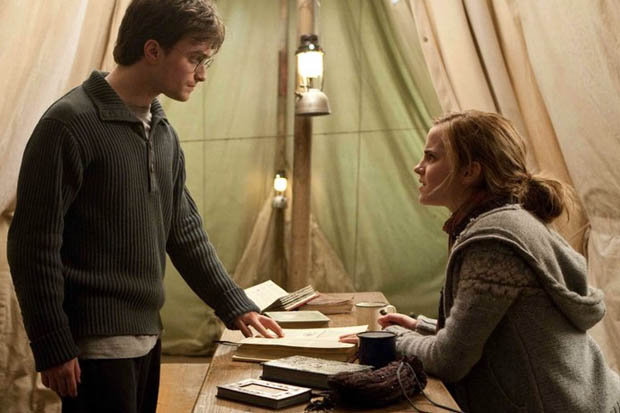
And what about those amazing and memorable characters who are nothing like us, but who we end up adoring? Severus Snape. Albus Dumbledore. Indeed, if you think about it, the only truly relatable character in the Potterverse is Ron, the everyman. He’s in there to be the human foil of brilliant Hermione and powerful but angry Harry. Ron’s the guy who is nothing special but has his own strengths and many weaknesses, as do we all.
But it’s not the story of Ron, is it? Thank goodness. It’s the story of Harry and Hermione and Dumbledore and Snape. Pretty much.
In each of them, we can find something that we connect with, something human and warm (even in Snape) and flawed and meaningful. They’re also interesting and unknowable and complex, and we can’t be sure what any of those characters will do or say at any moment. They aren’t like us. They all (even Snape) contain elements of who we wish we were: wise or brave or brilliant or ethical or strong or pure or funny. They are braver or brainier or more powerful than we may ever be. Together, they people a world we want to inhabit – with them.
Hermione being brainy
That’s relating.
So relating to – connecting with – characters is a wonderful part of reading (and watching TV and movies), but they don’t have to be just like us. We all have our teenage favourites; someone who showed us who we might be. Mine was Jo March. Millions of people much younger than me got to grow up with Hermione Granger and Harry Potter, Buffy the Vampire Slayer and her friends, Josie Alibrandi, or the necromancer Clariel or Sib and Lou in Fiona Wood’s Wildlife or Hazel Grace (The Fault in Our Stars – although there are suggestions that besides Hazel, all John Green’s characters are so relatable they are much the same … as him.)
But that’s not the only possible reading experience, and if in a sense we read to understand the world and the people in it, we also read about things and people we can’t comprehend at first – about five year-old Jack and his Ma in Room or Maud Lilly in Fingersmith or the revolutionaries in A Place of Greater Safety or Takeo the samurai or for that matter Hedda Gabler or Madame Bovary or Prince Andrei.

Feel so real

Which brings us to the question of ‘authenticity.’ There’s no such thing. (Of which more at a later date.) But the idea of authenticity and the idea of relatability in historical fiction really can’t co-exist.
If an author did manage to create a character that approached the world view, voice and life of, say, a fifteenth century princess, she would be so unlike any conception of princess a modern reader brings to the reading that there is no chance the princess would be understood, let alone relatable.
When we write historical fiction, and when we read it, we necessarily bring to the process all of our post-20th century knowledge, our modern vocabulary and syntax, our fundamentally different world view and manners and customs and philosophy and skills and reading history.
It couldn’t be further from the truth, or from the idea of an authentic experience.
It is what it is – just an element of the genre.
Apart from anything else, if we really captured the speech of Anne Boleyn or Richard III or an archer at Agincourt or a pirate of the Caribbean, readers wouldn’t have a clue what they were saying, let alone be able to relate to them.
Instead, we create, try as we might, characters in our own shape and shadow.

Writers are naughty like that

Writers of all genres create characters for all sorts of reasons, not only for readers to relate to. Sometimes, we create characters who lie, or are vain, or pompous, or stupid, or rotten, or weak, or tricksy, or criminal. We create unsympathetic characters or unreliable narrators on purpose. We create anti-heroes as well as heroes. They may not be relatable, but there will (almost always) be something undeniably human about them, so that their very unreliability or unappealing nature shines a light on what it means to be human. It’s not about relating – it’s about exploring.
Seeing the world through the eyes of Hilary Mantel’s interpretation of Thomas Cromwell, or Dr March (rather than Jo) in Geraldine Brooks’ March is fascinating and compelling, but it’s not designed to make the reader feel all cozy. It can be a difficult process to put yourself in their shoes. But if you do, what do you see? You get an insight into the Tudor world – into Henry and Anne and Thomas More – unlike any you’ve ever seen. Or you feel the weakness of a character idealised as a hero by his family, and glimpse the random brutality of the American Civil War.
So what matters here is the author’s intent. If the author hasn’t tried to create a relatable character, then it’s just not relatable or I didn’t like the main character isn’t a meaningful response to the book in your hand. It doesn’t really engage with the text or the characters at all.
It says more about the reader than it says about the book.
The answer? Simply read more and read more widely – read all sorts of things, surprise yourself, and shift outside your expectation of what a protagonist can and should be.
It’s the expectation we bring to reading that matters.
Let’s be willing to be astonished.
More reading